
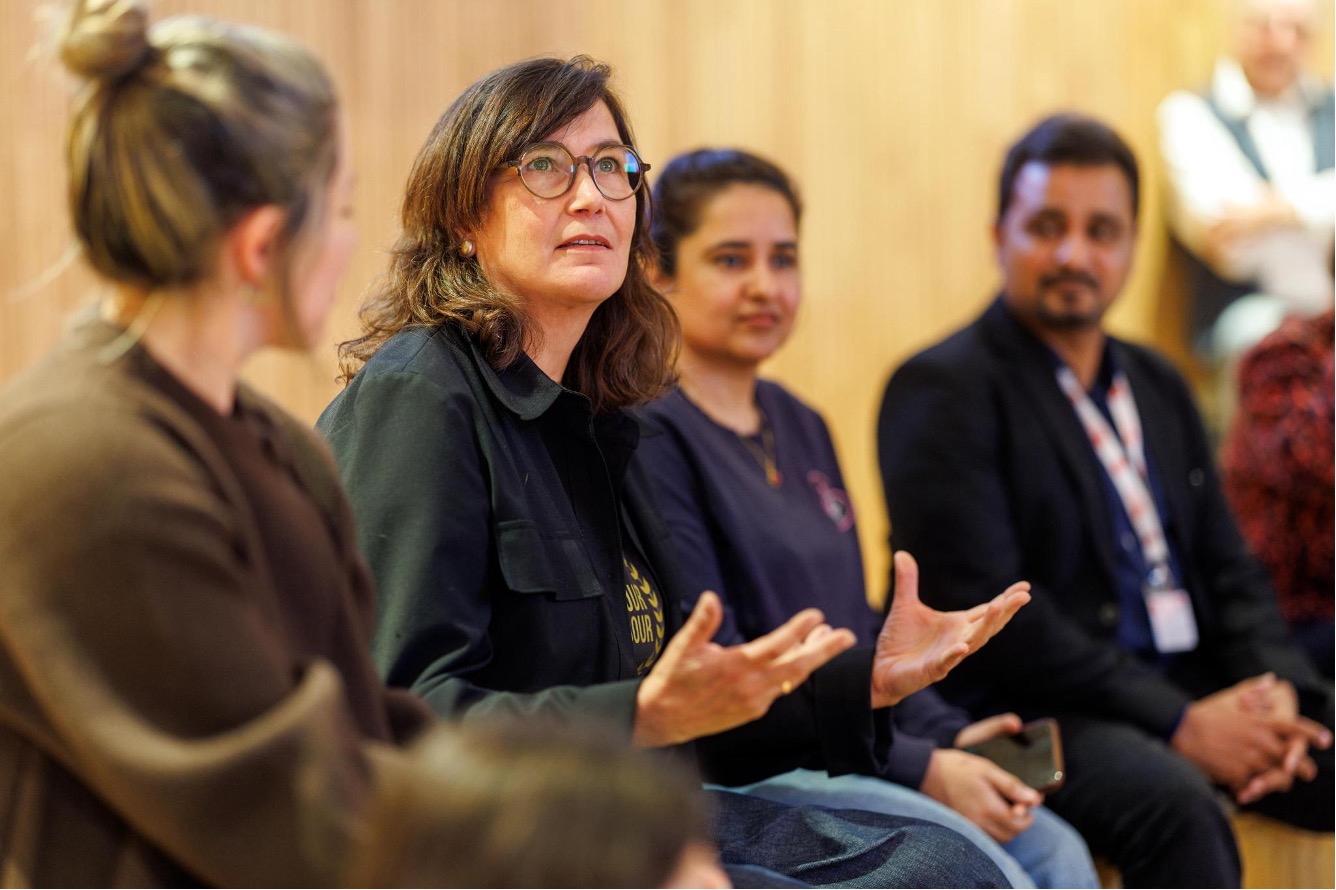
Sharing Knowledge, Shaping Change: Transdisciplinarity in Professional Life and in Everyday Practice
Month: October 2026
At the international DAAD alumni workshop at the Technical University of Berlin, I had the great pleasure of contributing some insights from my work on “Multispecies Perspectives.”
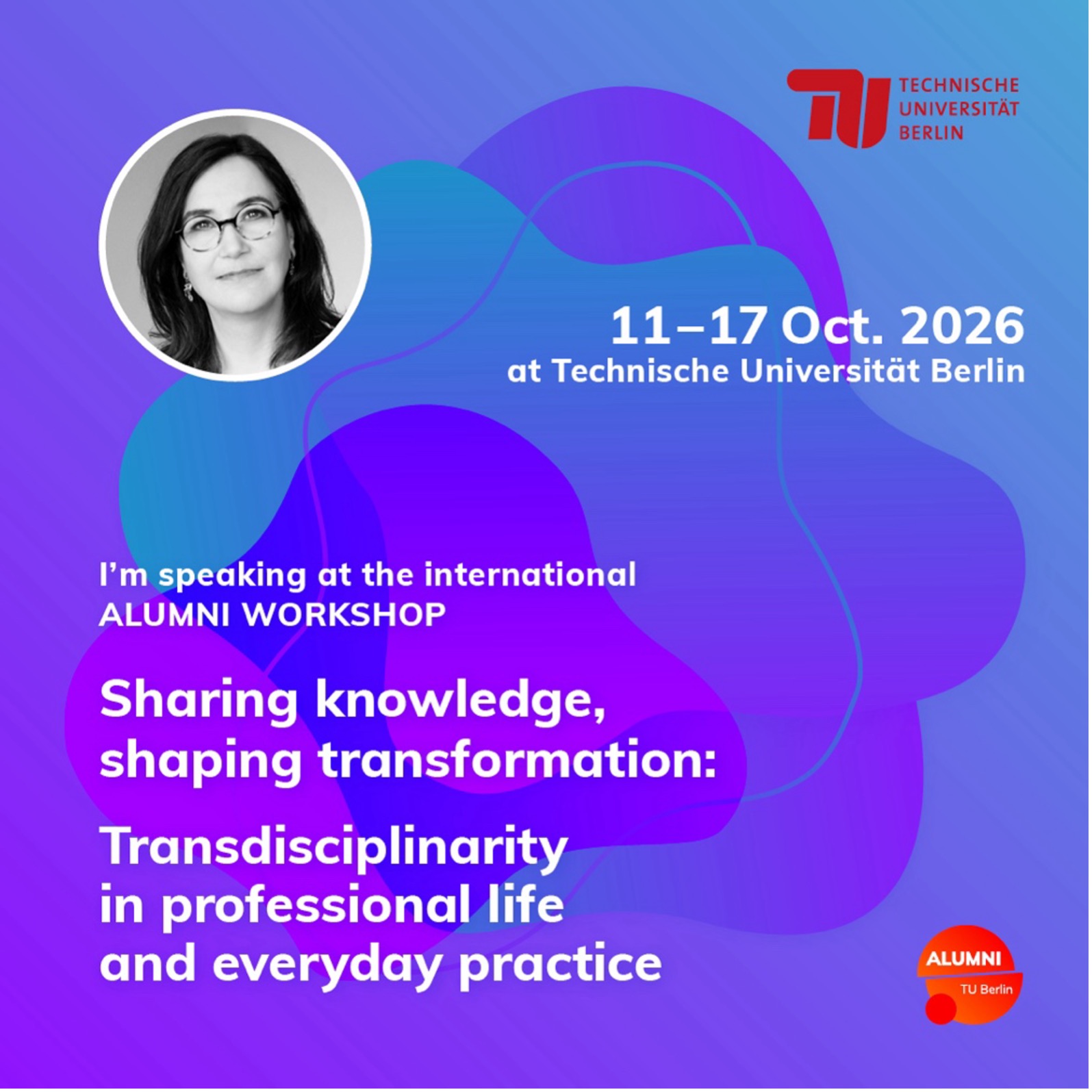
My workshop was based on two questions: Whose knowledge is crucial when we design learning experiences or develop solutions to environmental conflicts? And what criteria do we use to select conceptual frameworks and reflection partners in learning or transformation processes?
“Human-centered design” is regarded by many as the state of the art. But what if the exclusive focus on human needs itself creates a blind spot in the design of our transformation processes—in terms of our capacity for empathy or innovation?
In the spirit of “more-than-human-centered design,” we therefore broadened our perspectives in the workshop and incorporated the viewpoints of other species that we might otherwise tend to overlook. What can we learn when we pause and observe how other species deal with ecological challenges? How does our view of the world change when we encounter them not as research subjects, but as our neighbors on this planet?
It was wonderful to reflect on these questions together with participants from research, practice, and politics from all over the world. We are united by a shared interest in working toward solutions for environmental conflicts that affect us all. A particularly memorable moment for me personally was the feedback from a participant who, when asked for his opinion on the experience, said: “This is a great way to foster empathy – even in engineers like me…”
Many thanks to the DAAD (German Academic Exchange Service), the Federal Foreign Office, and the Federal Ministry for Economic Cooperation and Development (BMZ) for funding this workshop.
And my special thanks go to PD Dr. Thorsten Philipp for inviting me to participate in this awesome program.
The joint reflective dialogue at the public evening event for the program “Silenced Knowledge: Transdisciplinary
Learning through Marginalized Perspectives” at the research center “Der simulierte Mensch” was also very inspiring- a particularly beautiful place to reflect together.
INQA Coaching Offer: Supported Development in Turbulent Times
Month: October 2026
It is precisely when change is most urgently needed that the budget for it is often lacking. Small and medium-sized enterprises are under particular pressure to change due to digital transformation, a shortage of skilled workers, and shifting work realities in the age of AI. Many face the challenge of investing in development despite tight budgets. This is a structural dilemma.
The coaching services offered by the Initiative for New Quality of Work (INQA) address this very issue. This joint initiative of the federal government, the states, social partners, and social insurance agencies supports companies and employees in shaping their work environment to be sustainable, healthy, and future-proof. The program, funded by the Federal Ministry of Labor and Social Affairs (BMAS), provides SMEs with partial funding for up to 12 days of consulting. The consulting process is designed to be participatory: change is not imposed, but developed collaboratively.
As a certified INQA coach, I facilitate processes on topics such as employee motivation, leadership culture, diversity management, healthy work organization, the digitization of the workplace, human resources development, and artificial intelligence. I am guided not only by a clear roadmap for process design but also by my approach and the broad range of methods in my repertoire.
I would be happy to discuss in an initial consultation whether and how your change objectives, the program, and my potential consulting services align with one another.

AI Transformation: Mindful, Responsible, and with an Understanding of the Big Picture
Month: October 2026
AI is changing the way we work and live—whether we like it or not.
I'm interested in how we can shape this transformation in a conscious and responsible way—for the sake of our survival on this planet.
In June, I took this as an opportunity to expand my expertise through the “Master Management with Artificial Intelligence” program. My day-to-day consulting work in recent years has made it all too clear that, with a holistic approach to systemic consulting, there is no way around building in-depth AI expertise in today’s world—whether in C-level coaching, training, team development, or transformation consulting.
My continuing education program at academy4ai has broadened my horizons in many ways, shown me the diversity of technical applications, provided me with deep insights into economic and social trends, and given me a firsthand experience of the ways of thinking and working in various business sectors.
During this time, it also became clear to me just how valuable my previous consulting experience is in this context. It allows me to combine this AI expertise with my many years of experience in systemic consulting, communications consulting, and change management. Because right now, that’s what matters most.
For organizations:
- Conscious design of transformation processes (rather than “shadow AI” or formal AI regulations that fail to take cultural challenges into account)
- Promotion of an agile, open-learning culture of collaboration (to better keep pace with the speed of change in our world)
- Process design expertise (to meaningfully integrate the innovation potential of AI tools into work processes without resorting to knee-jerk reactions)
For us as human beings:
- Reflective communication skills (to counteract the delusions of both humans and AI using clear, simple language free of bias)
- Appreciative leadership practices (that make expectations regarding roles, tasks, and outcomes clear both in conversation and in prompts)
- Strengthening self-management skills (to build resilience in dealing with overwhelming demands and feelings of powerlessness, given the multitude of developments over which we feel we have too little influence)
As important as it is to address the political, social, methodological, and structural issues surrounding AI, it is equally important for us as humans to remain capable of taking action in the face of these changes.
Not merely as a “human in the loop,” but as a driving force.
The training answered many of my methodological and technological questions while raising many new, more profound ones. For me, that is what competency development is all about: not just expanding knowledge and methods, but strengthening one’s own perspective and heightening awareness of what still remains to be explored.
City Life Becomes Multi-Species: Meet Your Neighbours!
Month: October 2026
Workshop Impulse on Transdisciplinary Learning for the TU Project "City as a Laboratory"
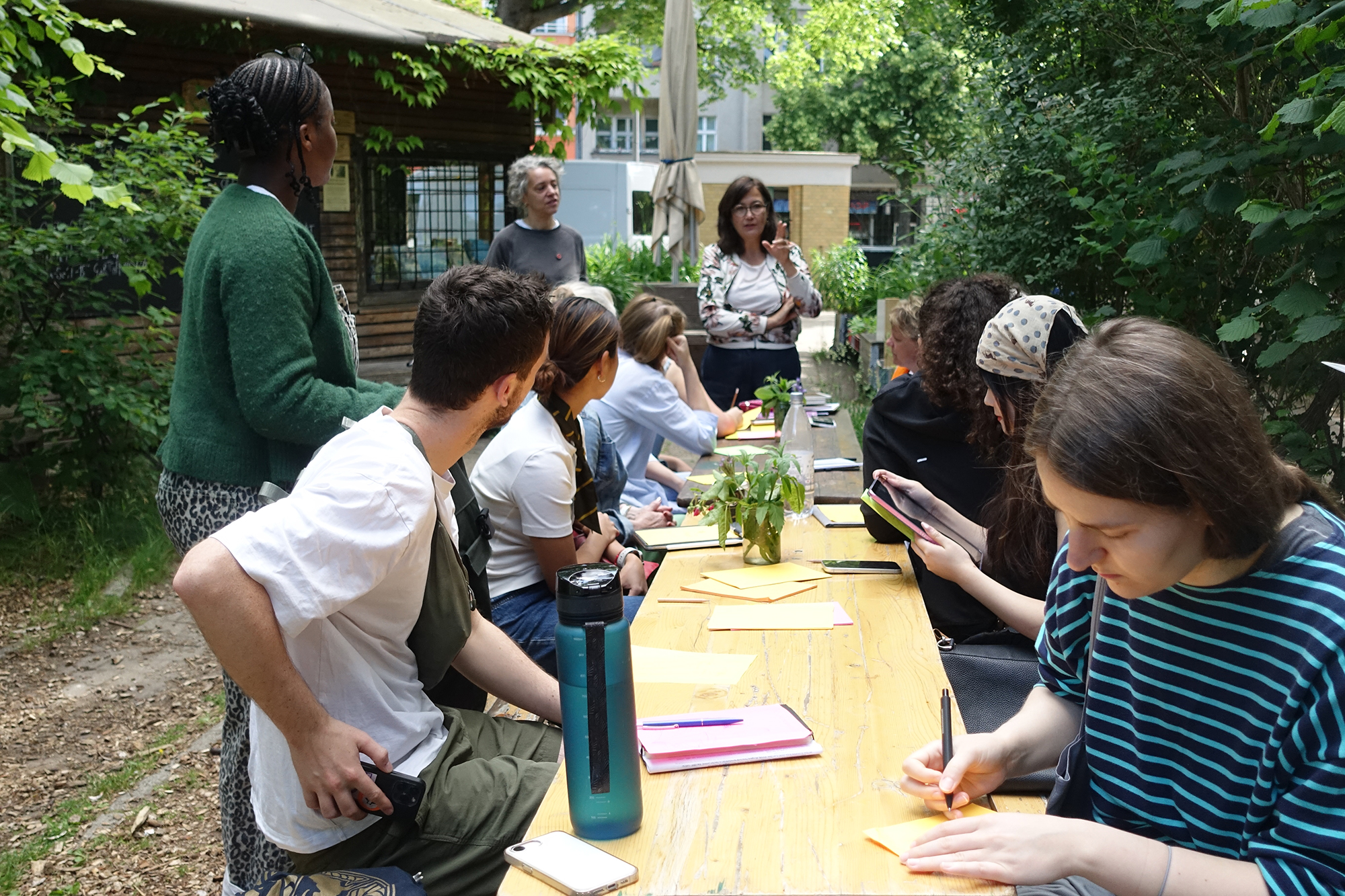
As part of the TU project “City as a Laboratory – Foundations of Transdisciplinary Work,” I had the great pleasure in June, at the invitation of Dr. Thorsten Philipp, to contribute a practical impulse together with Elise Graton that was entirely to my taste: “City Life Becomes Multi-Species: Meet Your Neighbours!”
“Human-centered design” is still considered an “achievement” in process design by many. An obvious perspective in an age of the Anthropocene, where everything is not only designed by, but primarily for humans.
The “More-than-Human-Design” approach questions the circle of stakeholders in process design and expands it to include the perspectives of non-human species. Here, we quickly encounter complex issues. Who is actually allowed to have “legitimate” interests here? How can one actually speak for others – especially for non-human species? And how should this be implemented methodologically soundly? Many exciting and difficult questions, especially in times of polarized, morally charged debates about identity and participation.
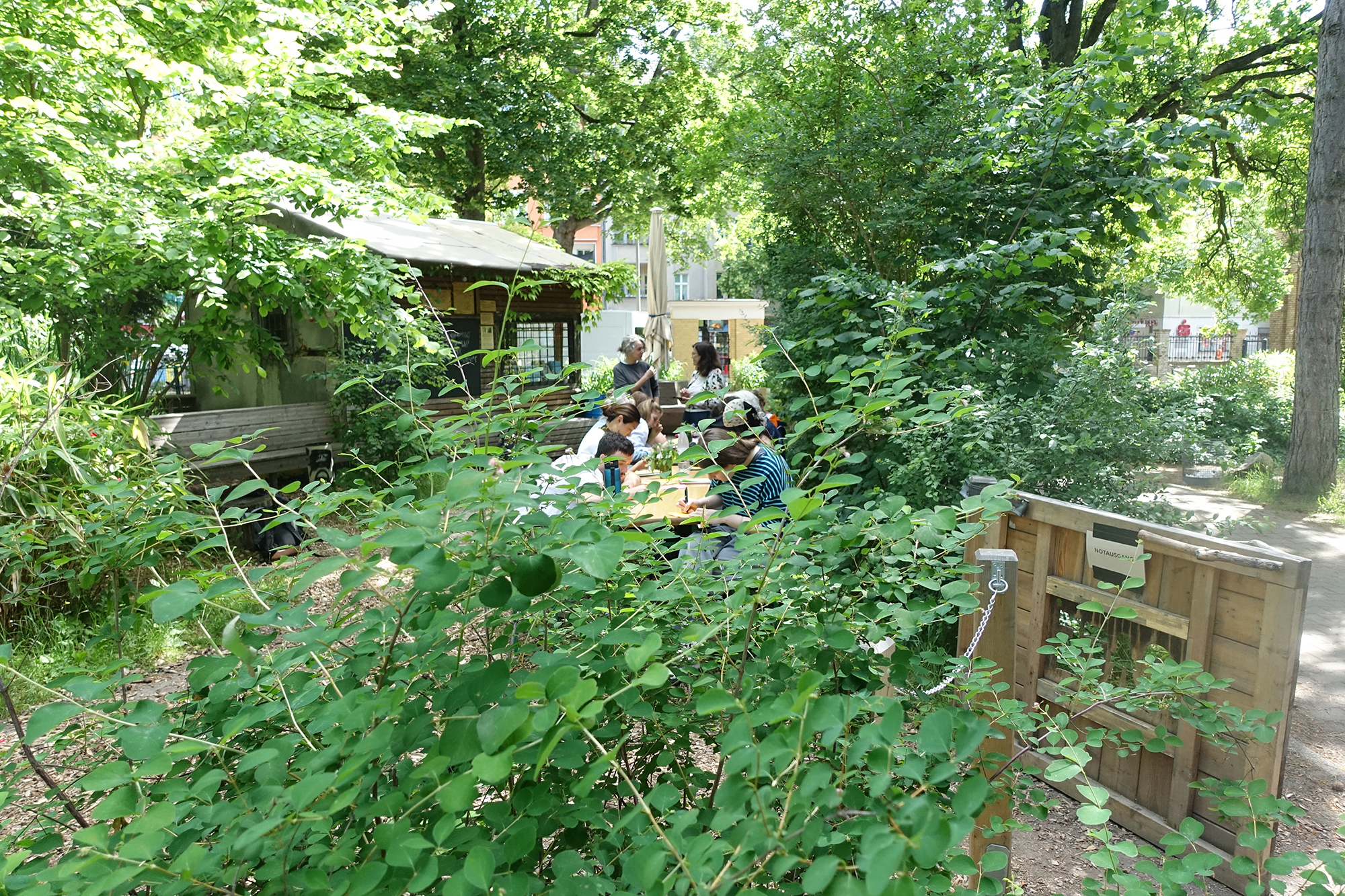
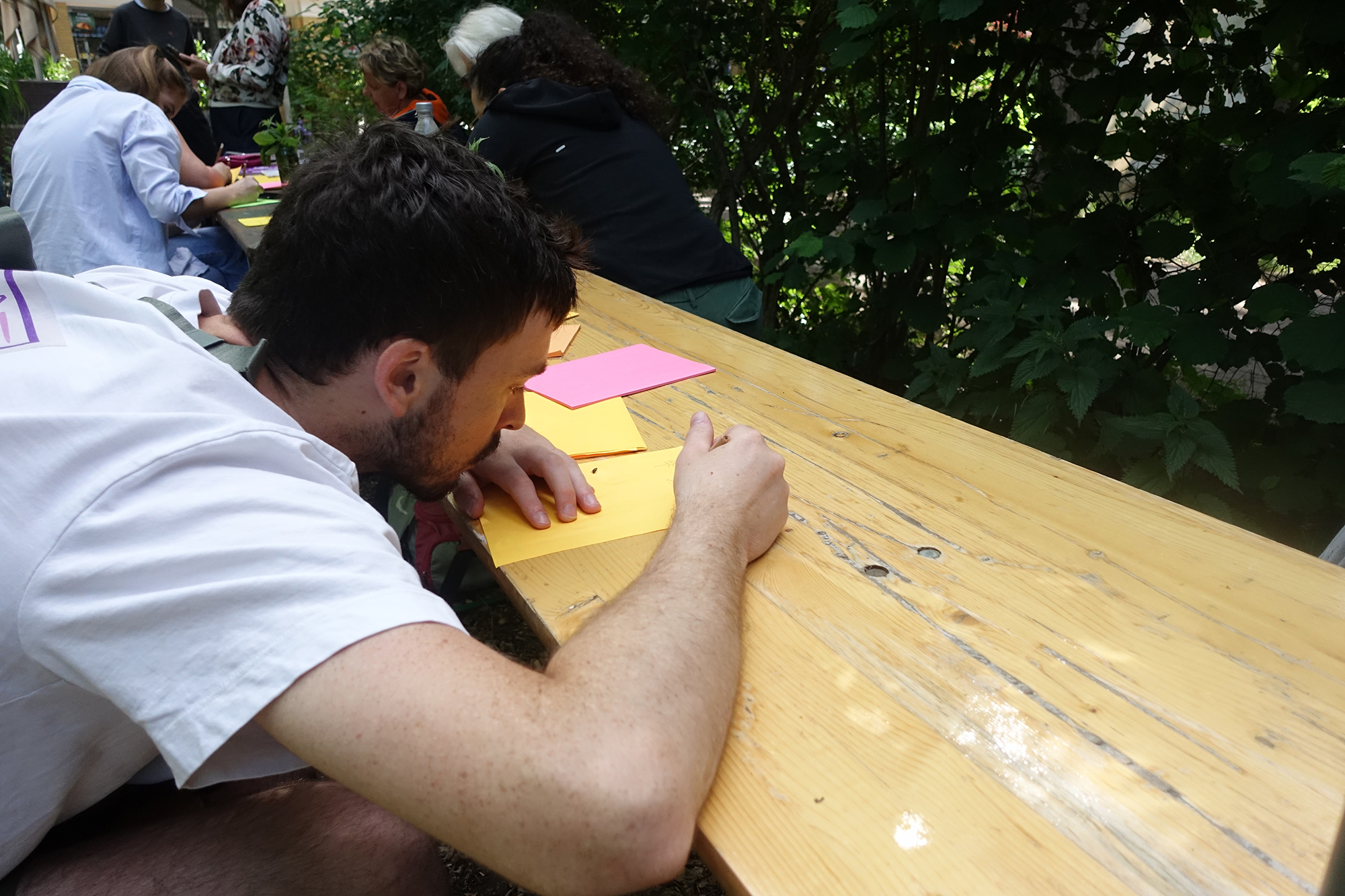
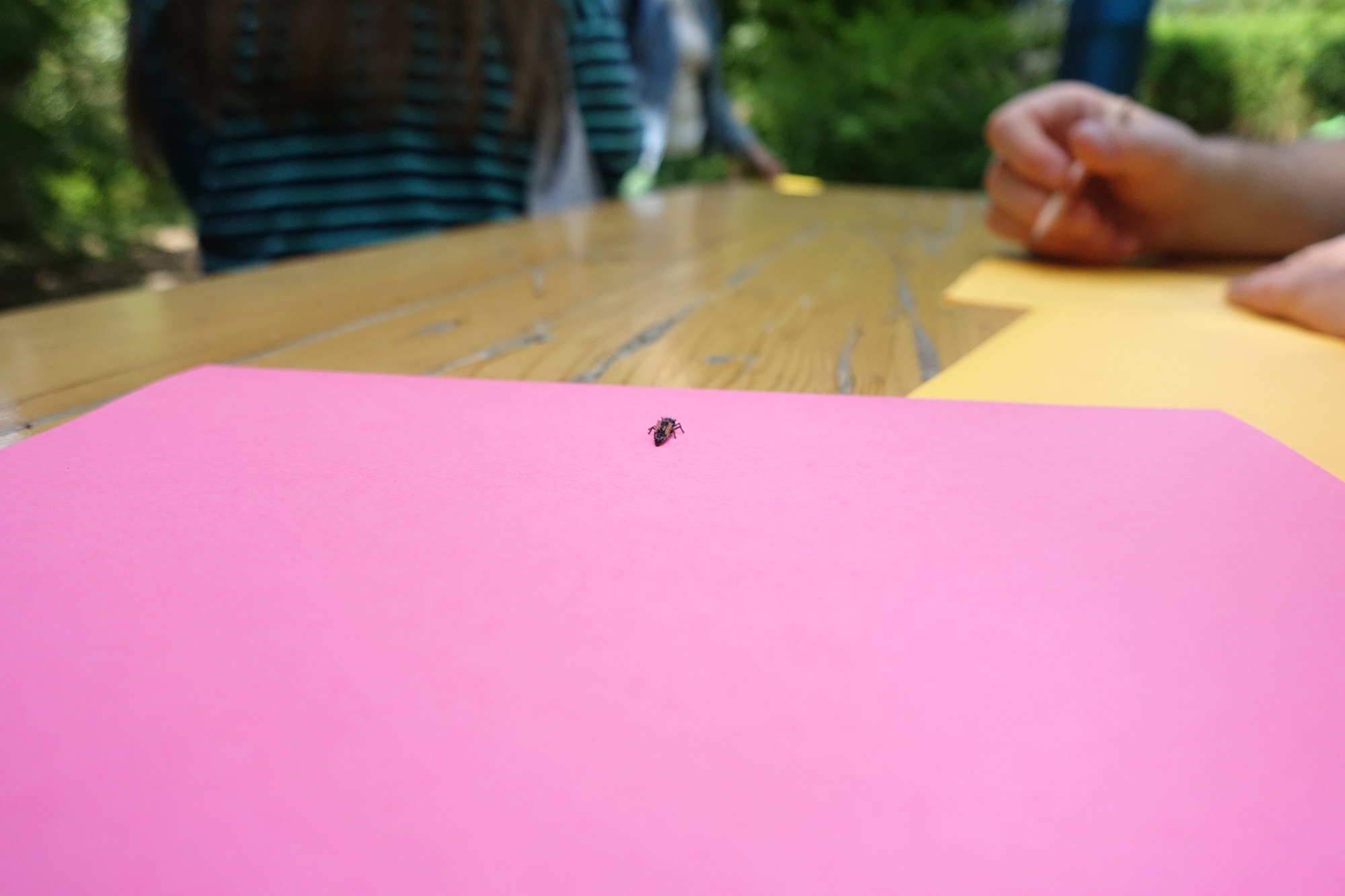
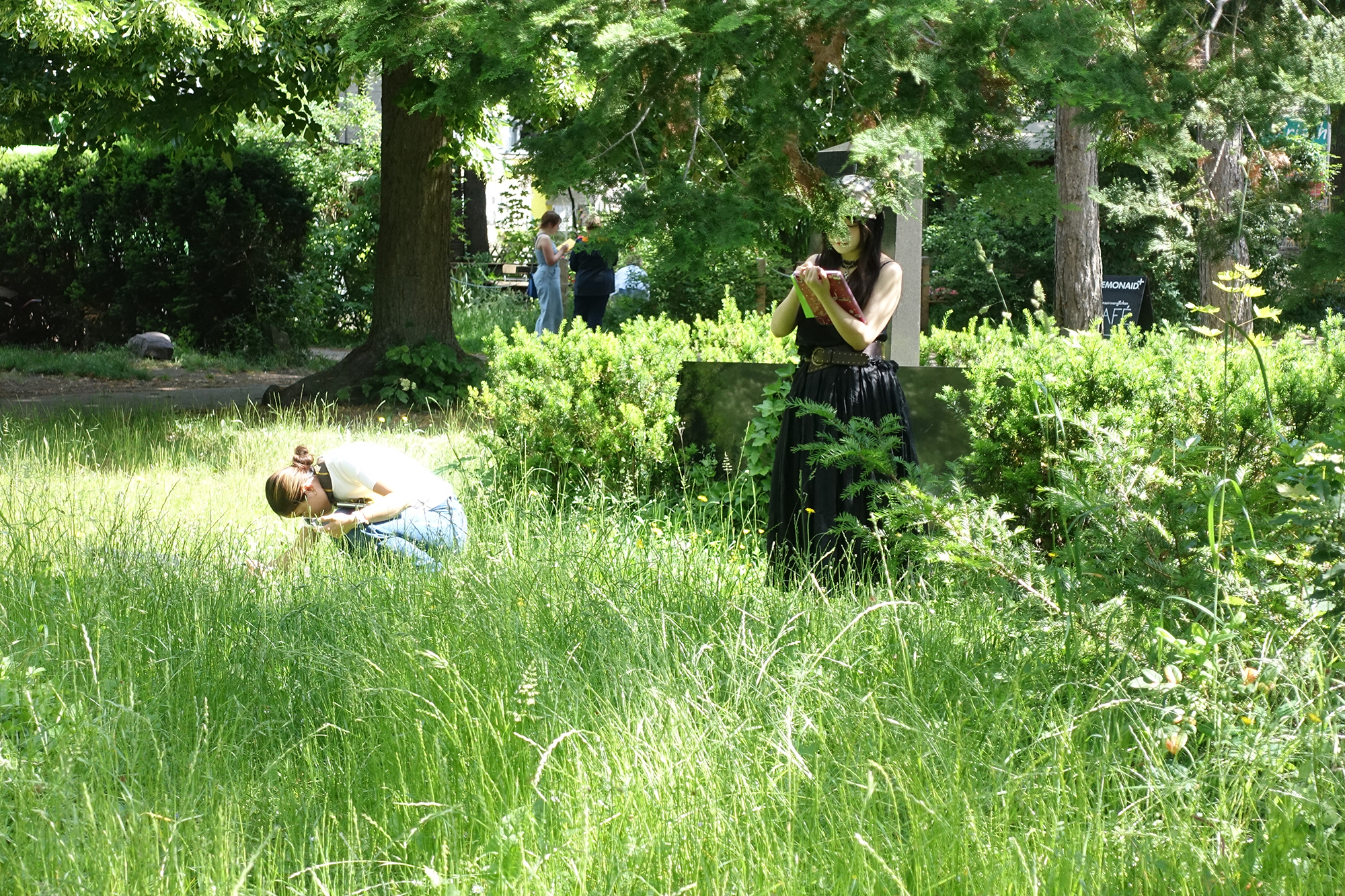
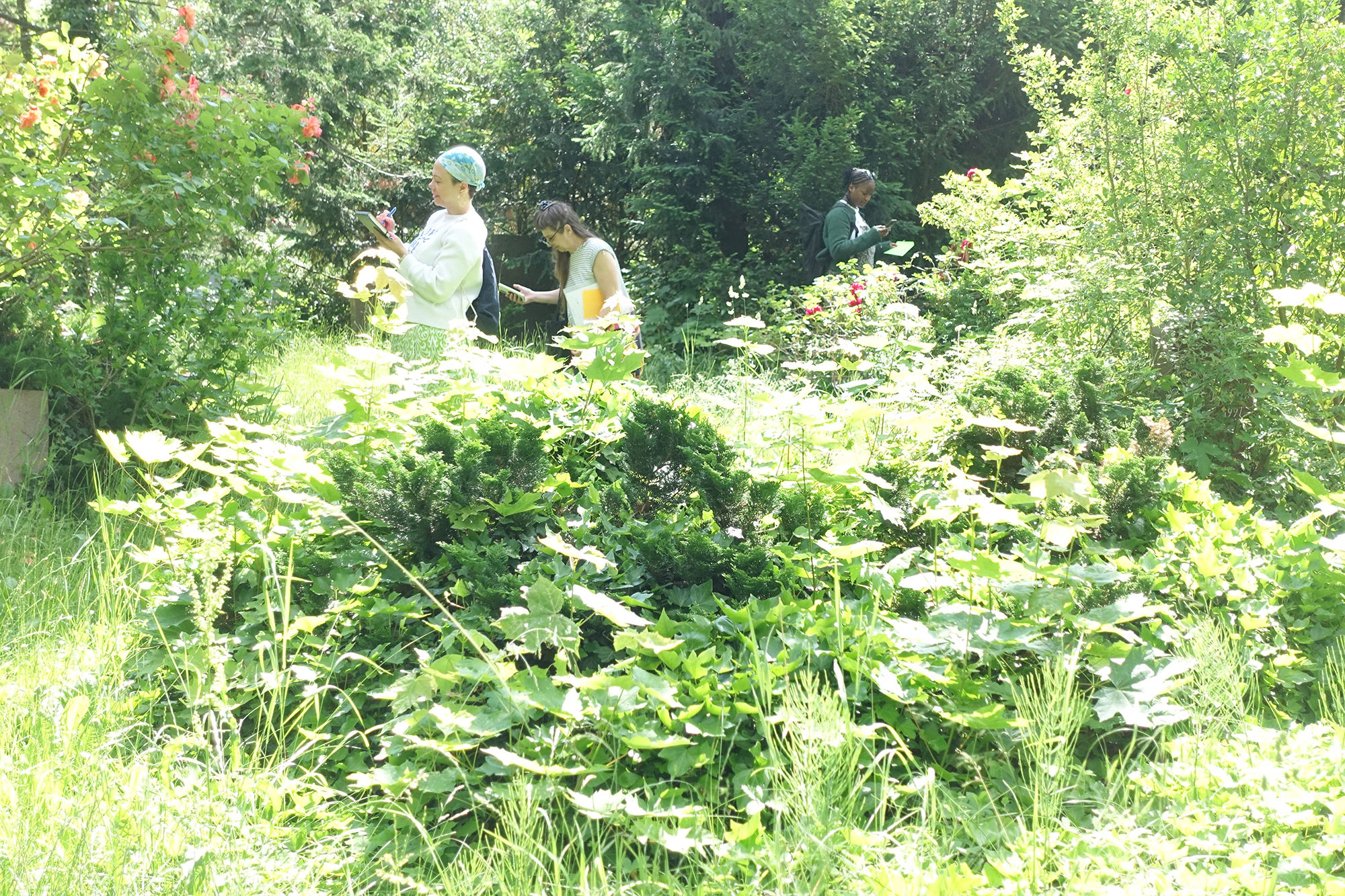
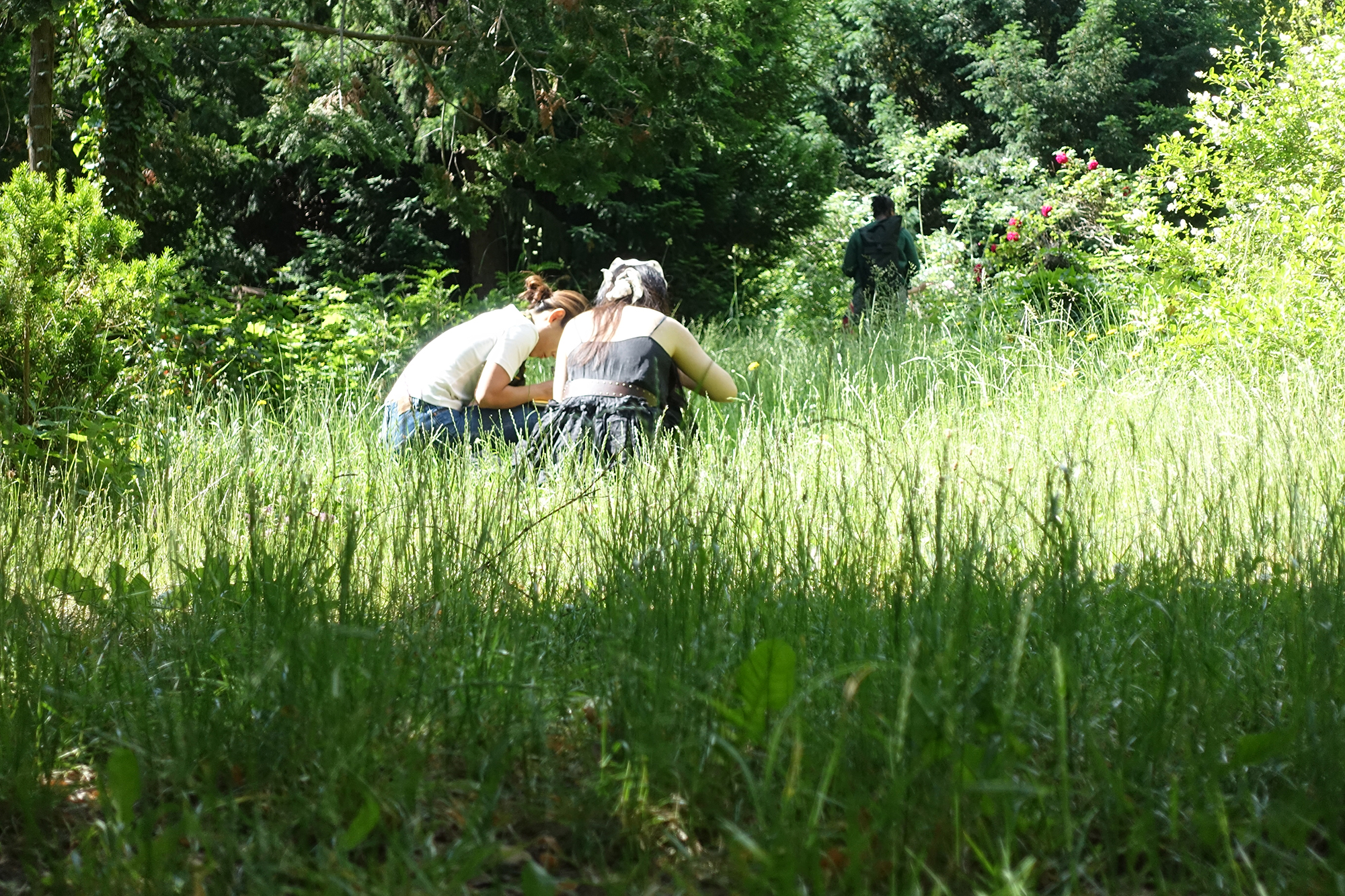
With “Meet your Neighbours,” we approach this task more trivially and at eye level. Inspired by the “Species Ambassadors” movement, we don’t primarily ask, “What is the dandelion good for?” or “How do we protect it?”. With this impulse, I invite us to engage at eye level and ask, “What can we actually learn from the dandelion?” or “What does it need to thrive?”.
Why do I do this? Because these questions challenge our habits of relationship building. Because as humans, we don’t appear as superior users or benevolent caregivers. From my perspective, these are exciting questions – also for leadership. This way, we illuminate blind spots in our perception, without moralizing – with humor and with all our senses.
For who defines for us from whom and how we learn? Why does connectedness and belonging need special spaces for encounter? Does a connection to nature require experiencing “intact” nature? And what happens to our understanding of belonging when neighborhood is no longer thought of as only human? And above all: What does this mean for our understanding of learning and development?
From this reflection arise connections that go far beyond “species knowledge”: patterns of unconscious perception, mechanisms of bonding and exclusion, principles of innovation development, sustainability, and process design. And thus, transdisciplinary learning spaces emerge – cost-effective, unspectacular, and full of neighbours we have previously overlooked.
Therefore, once again, many thanks to Dr. Thorsten Philipp for the invitation to co-creation and also to all human and non-human participants for the opportunity to jointly explore possibilities for transdisciplinary learning spaces for a future of coexistence in this city.