
City Life Becomes Multi-Species: Meet Your Neighbours!
Workshop Impulse on Transdisciplinary Learning for the TU Project "City as a Laboratory"
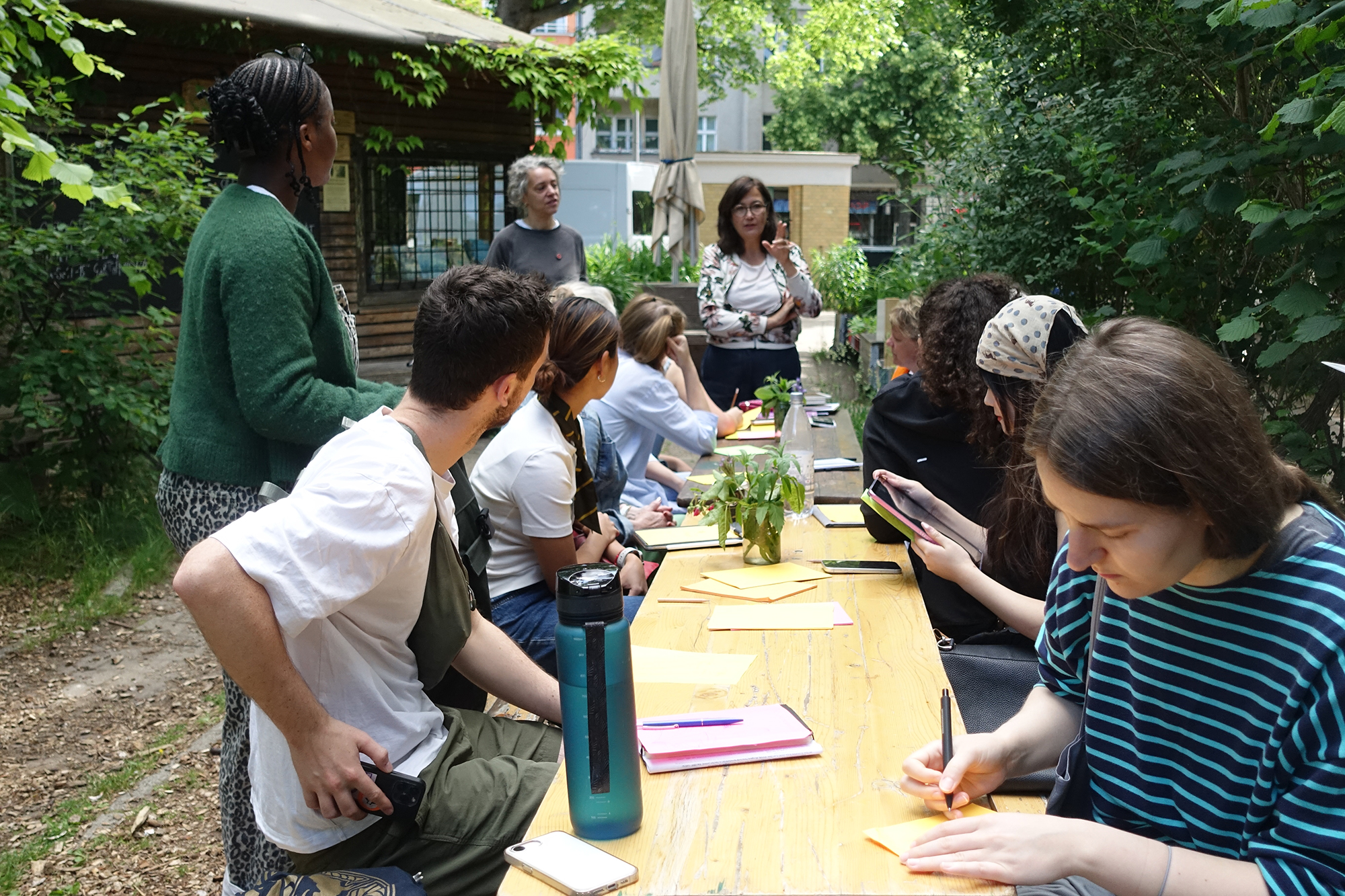
As part of the TU project “City as a Laboratory – Foundations of Transdisciplinary Work,” I had the great pleasure in June, at the invitation of Dr. Thorsten Philipp, to contribute a practical impulse together with Elise Graton that was entirely to my taste: “City Life Becomes Multi-Species: Meet Your Neighbours!”
“Human-centered design” is still considered an “achievement” in process design by many. An obvious perspective in an age of the Anthropocene, where everything is not only designed by, but primarily for humans.
The “More-than-Human-Design” approach questions the circle of stakeholders in process design and expands it to include the perspectives of non-human species. Here, we quickly encounter complex issues. Who is actually allowed to have “legitimate” interests here? How can one actually speak for others – especially for non-human species? And how should this be implemented methodologically soundly? Many exciting and difficult questions, especially in times of polarized, morally charged debates about identity and participation.
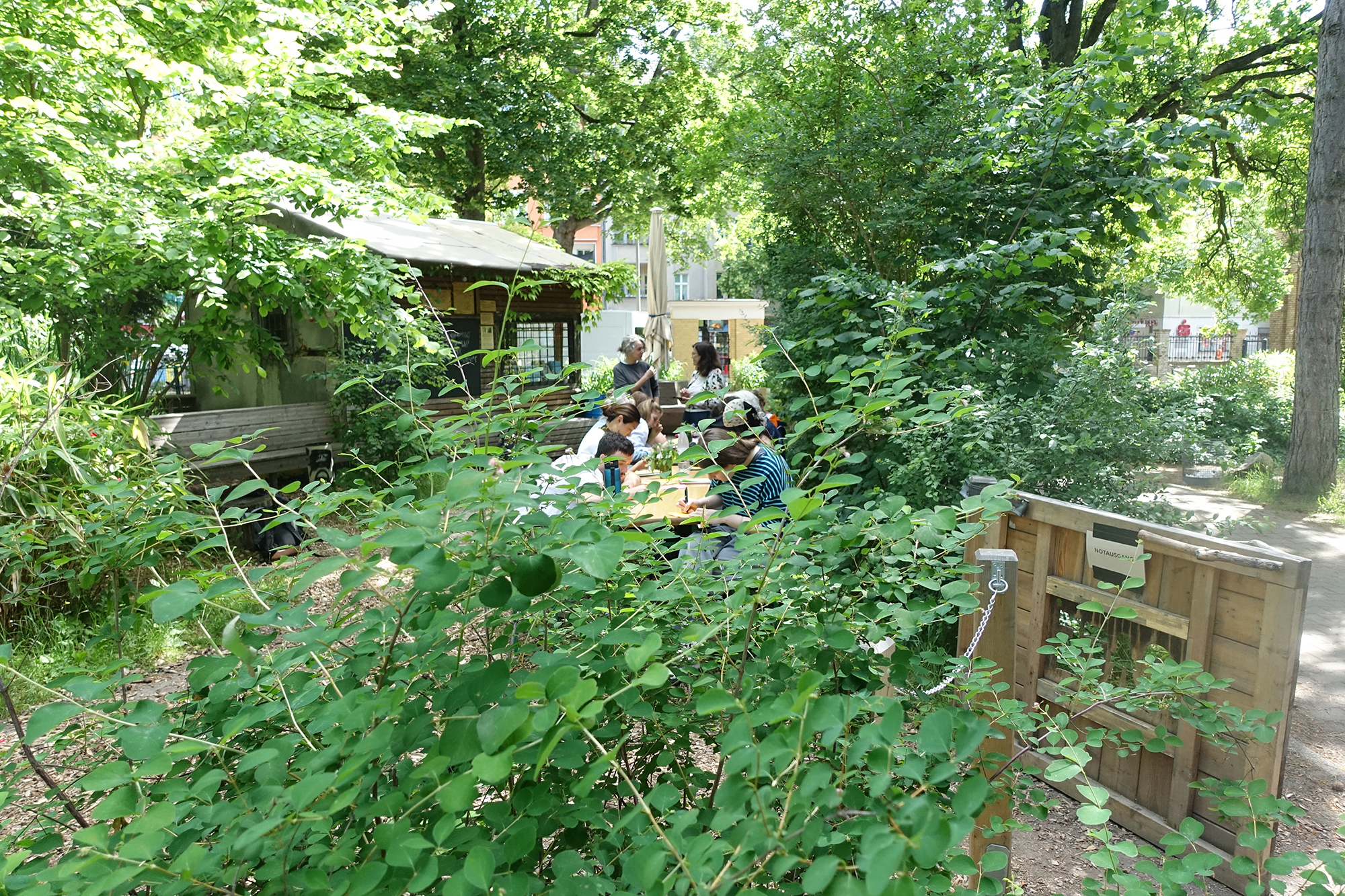
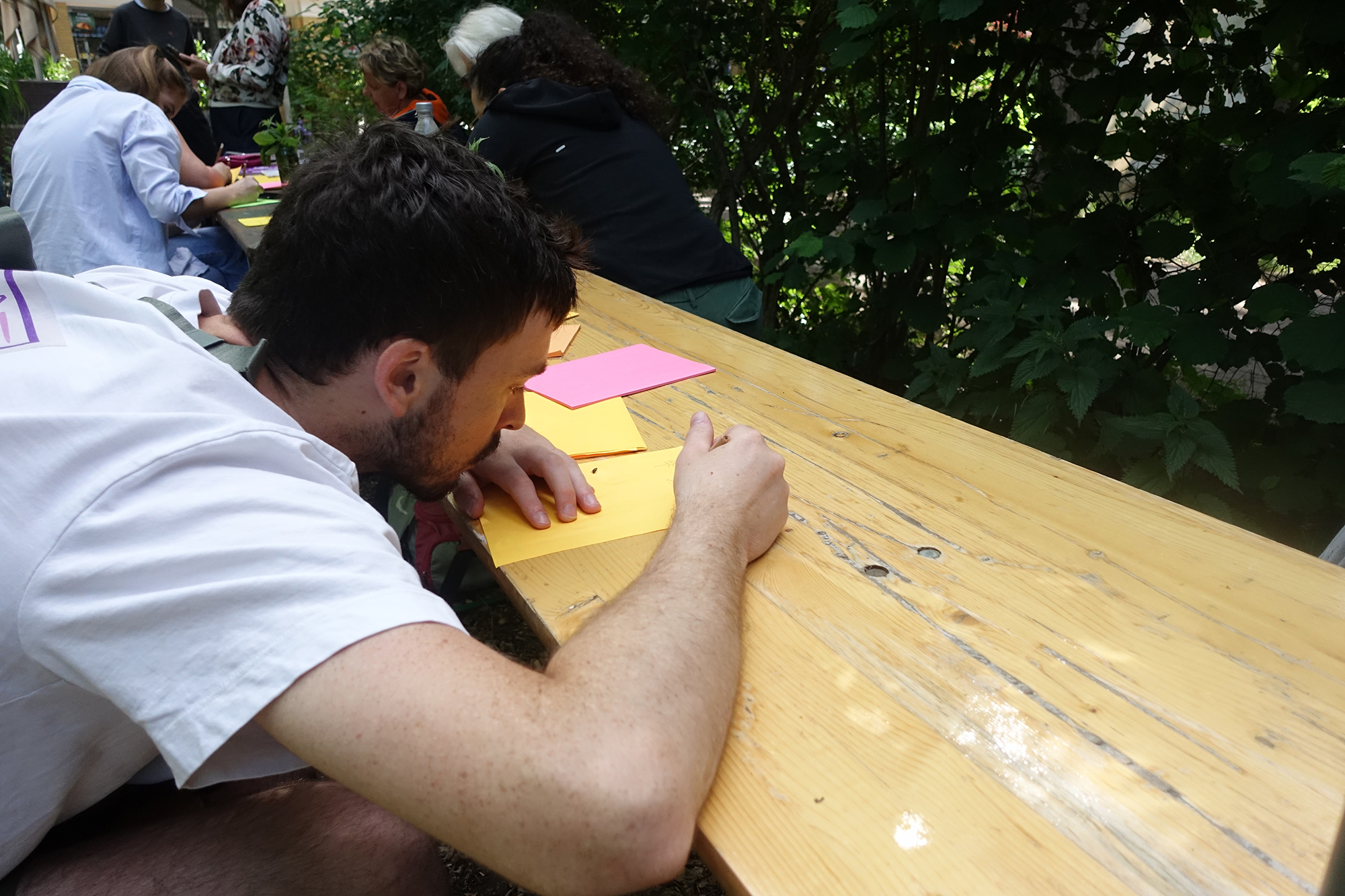
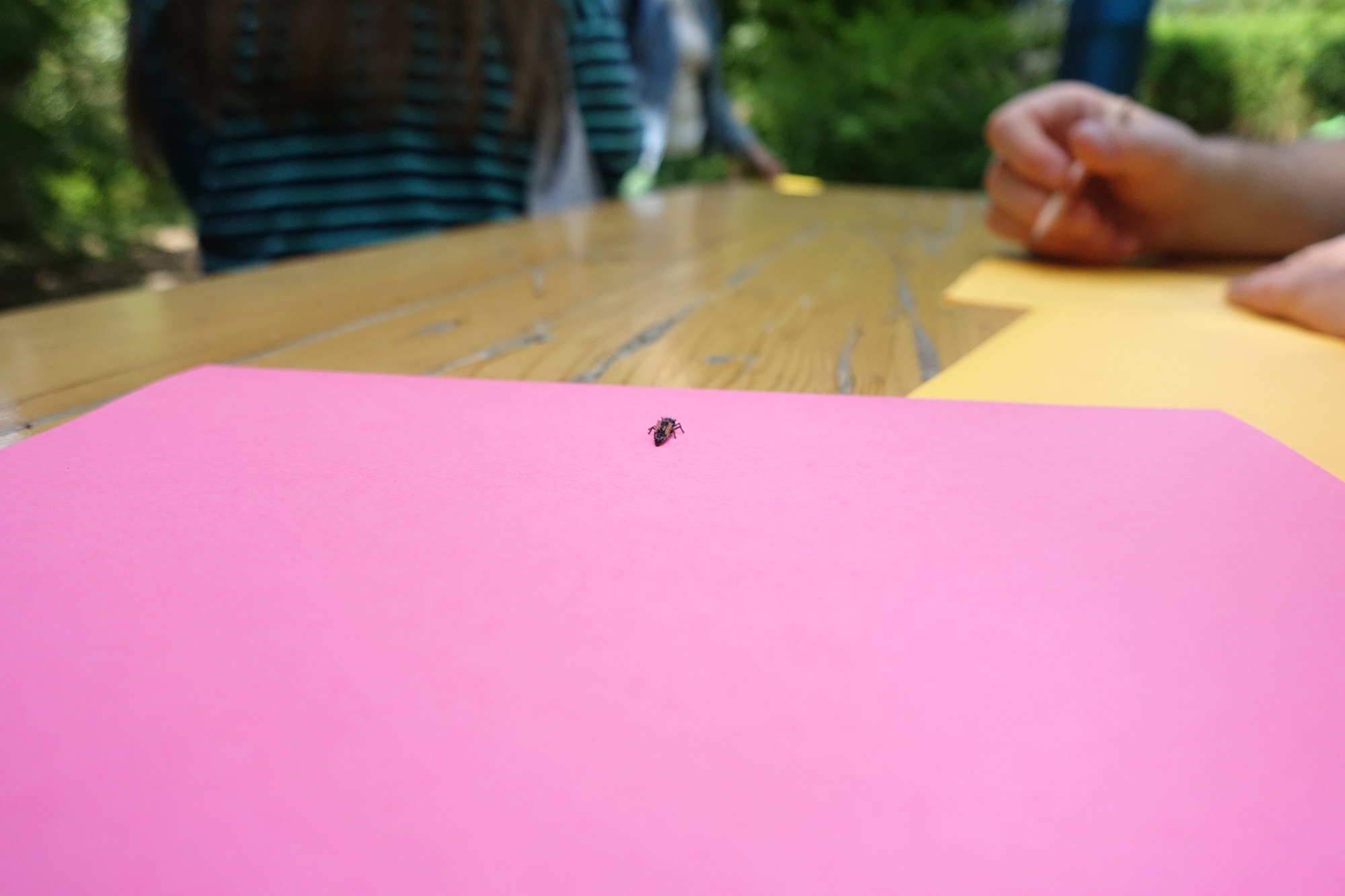
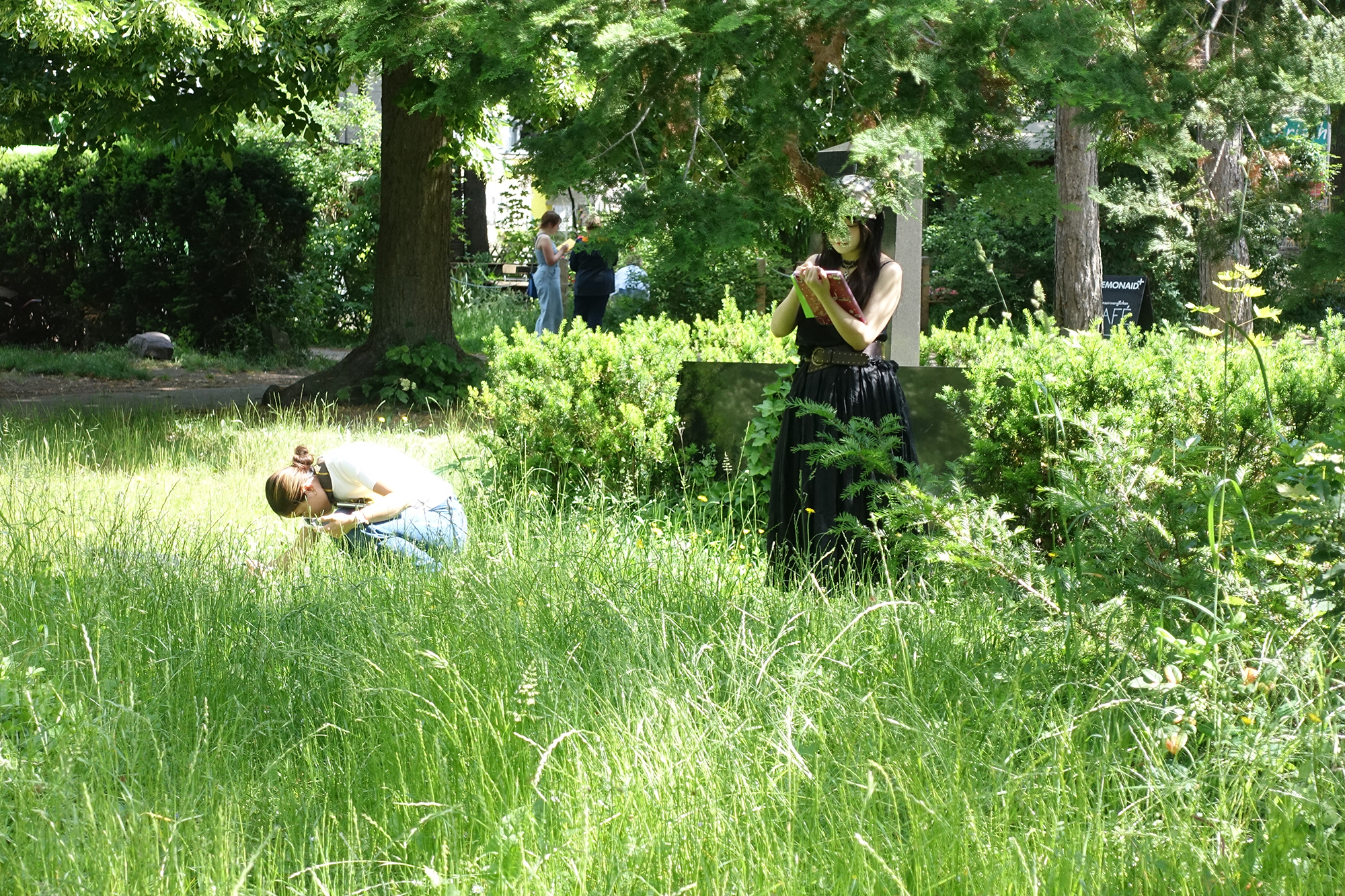
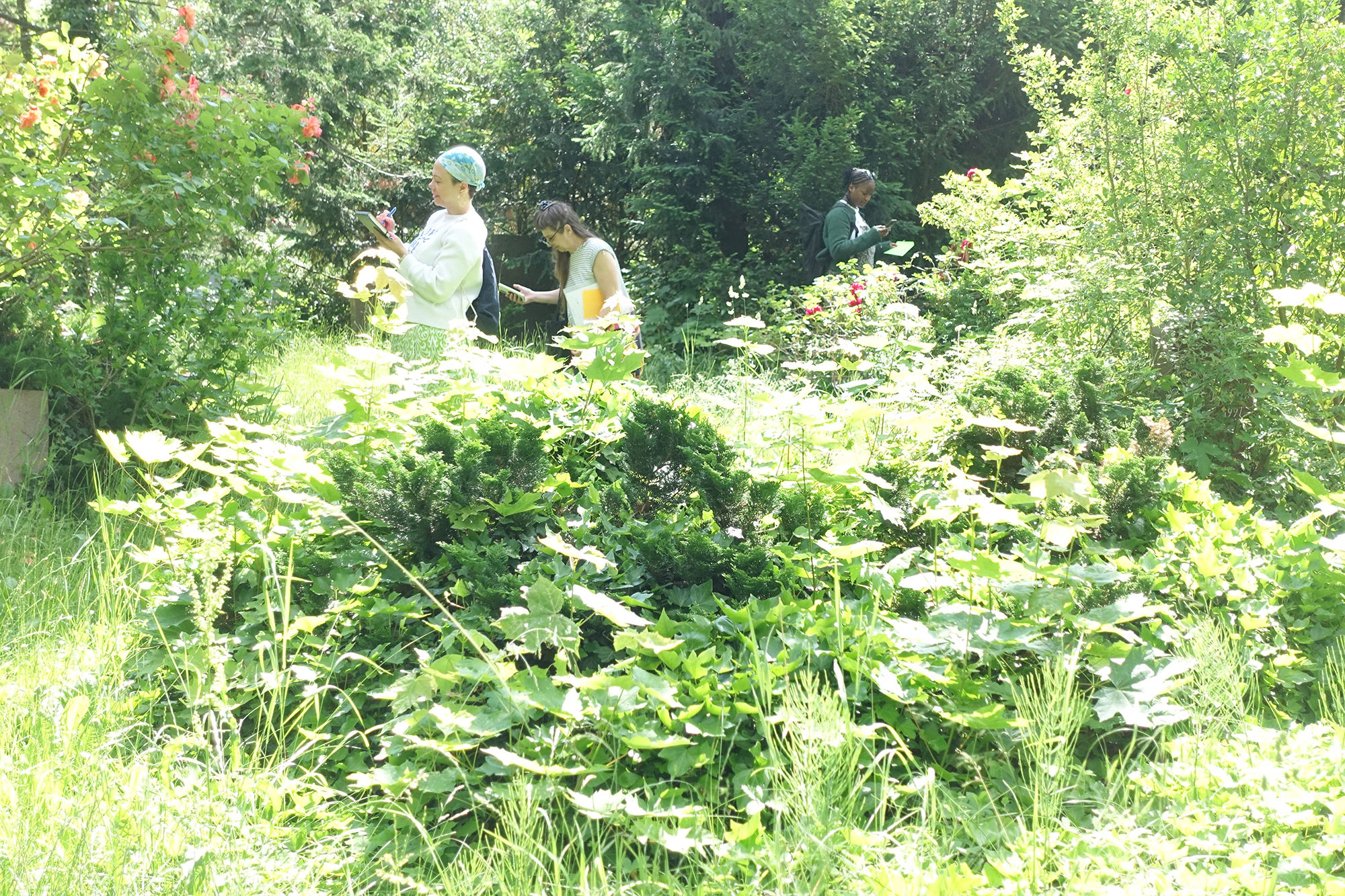
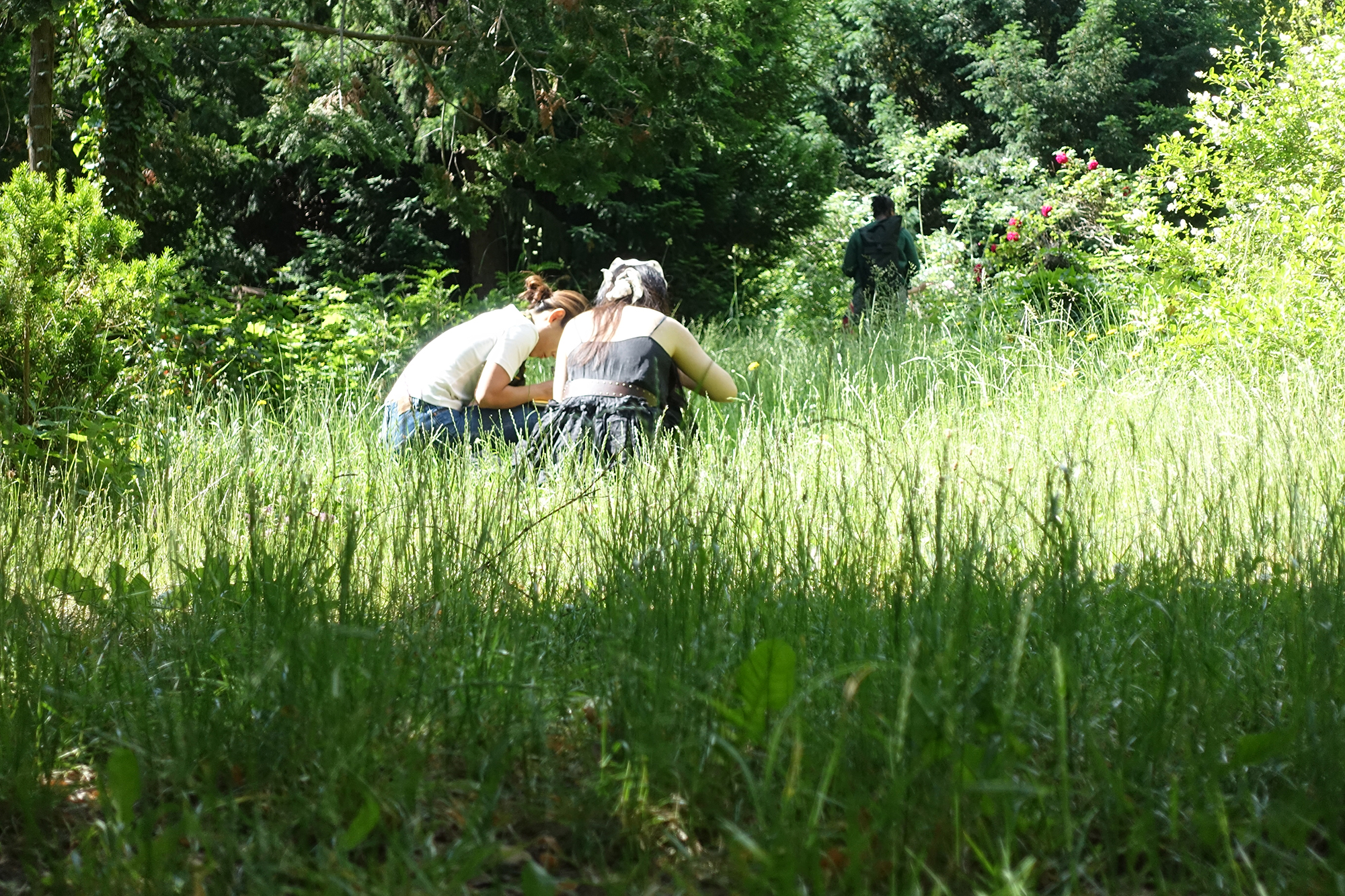
With “Meet your Neighbours,” we approach this task more trivially and at eye level. Inspired by the “Species Ambassadors” movement, we don’t primarily ask, “What is the dandelion good for?” or “How do we protect it?”. With this impulse, I invite us to engage at eye level and ask, “What can we actually learn from the dandelion?” or “What does it need to thrive?”.
Why do I do this? Because these questions challenge our habits of relationship building. Because as humans, we don’t appear as superior users or benevolent caregivers. From my perspective, these are exciting questions – also for leadership. This way, we illuminate blind spots in our perception, without moralizing – with humor and with all our senses.
For who defines for us from whom and how we learn? Why does connectedness and belonging need special spaces for encounter? Does a connection to nature require experiencing “intact” nature? And what happens to our understanding of belonging when neighborhood is no longer thought of as only human? And above all: What does this mean for our understanding of learning and development?
From this reflection arise connections that go far beyond “species knowledge”: patterns of unconscious perception, mechanisms of bonding and exclusion, principles of innovation development, sustainability, and process design. And thus, transdisciplinary learning spaces emerge – cost-effective, unspectacular, and full of neighbours we have previously overlooked.
Therefore, once again, many thanks to Dr. Thorsten Philipp for the invitation to co-creation and also to all human and non-human participants for the opportunity to jointly explore possibilities for transdisciplinary learning spaces for a future of coexistence in this city.