

Countering Fear—When the Pressure to Excel Becomes an Obstacle to Change
Lecture
Presentation at the Summit of the German Society for Positive Psychology (DGPP), Berlin, 2 May 2026
Presentation at the Summit of the German Society for Positive Psychology (DGPP), Berlin, 2 May 2026
Where people must perform under intense public scrutiny, where personality and creative identity become a brand, or where companies and institutions derive their identity from the excellence of days gone by or the genius of their founders—in such contexts, it is often particularly difficult to question established practices.
For me, this is exactly where positive psychology becomes fascinating. Not because it’s “nice,” but because it helps us become more precise. Because it offers a language that doesn’t shame but opens up new perspectives. And because it creates learning spaces where anxiety levels are lowered, resources are activated, and meaning, self-efficacy, and a sense of belonging are strengthened.
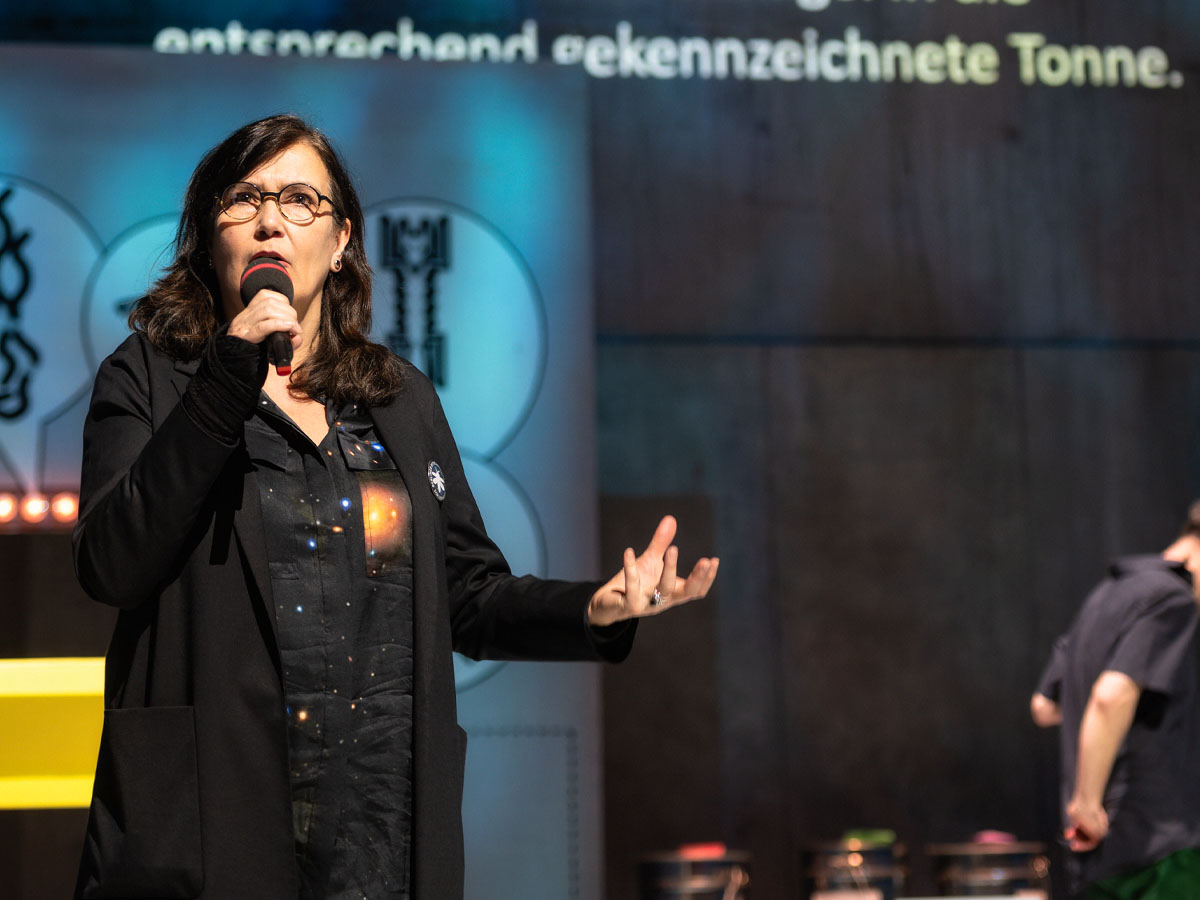
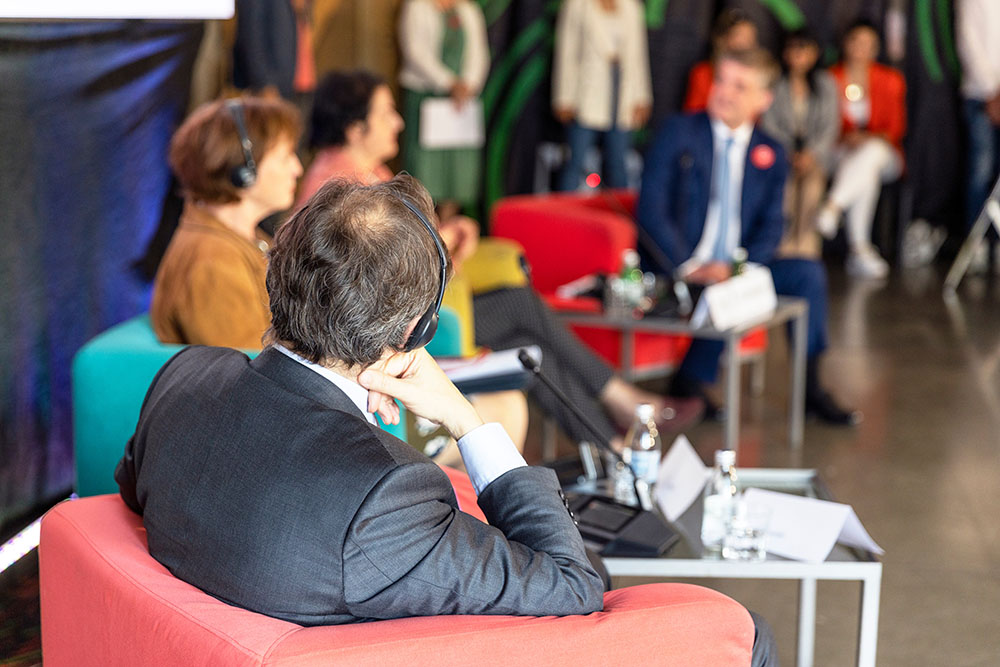
In May, I had the opportunity to share my practical experiences in C-level coaching, team development, and cultural change processes during a keynote presentation at this year’s DGPP Summit, highlighting how Positive Psychology can be particularly helpful in this field. Especially in situations where performance pressure creates tension, psychological safety is lacking, or avoiding uncertainty is part of the culture, strength-based feedback and learning routines rooted in resonance work can truly make a difference.
The positive feedback on my keynote presentation showed me just how great the need is to engage in reflective dialogue much more often. We need communication that doesn’t shame anyone, but rather points the way toward how growth and change are possible here as well—especially in times of crisis, when our certainties and identities are shaken even more.
My thanks to the DGPP team for inviting me to this year’s summit—and to everyone for the open dialogue and positive response. Once again, it was a successful conference full of a lively atmosphere, insightful ideas, and engaging conversations!
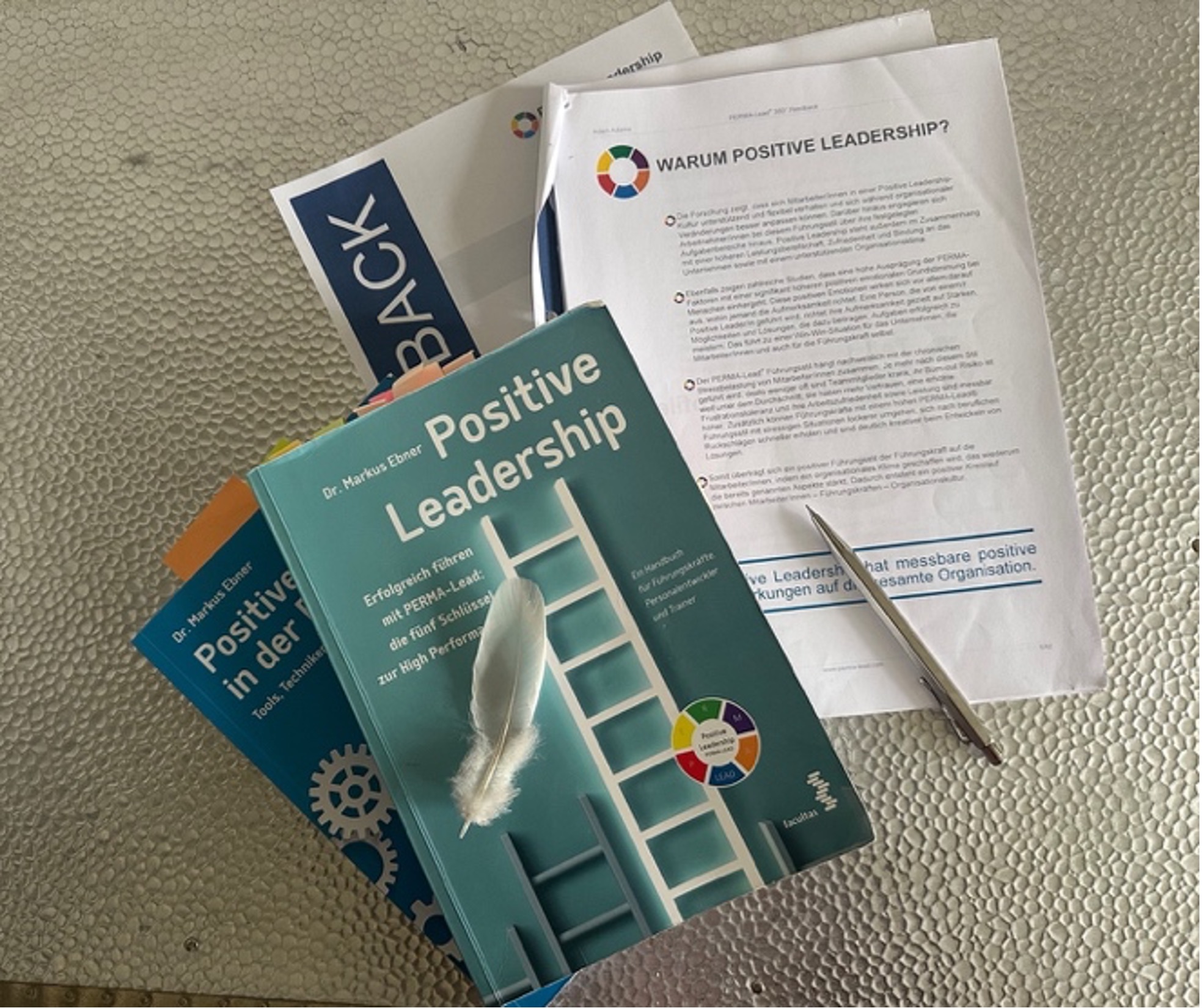
Designing 360° feedback processes with PERMA-Lead
Lecture
Living organizations benefit from positive leadership that helps their teams and organizations succeed

As a certified PERMA Lead consultant, I am always particularly pleased to support people in introducing positive leadership into their organizations. Effective feedback processes are like oxygen for the vitality of organizations. Agile organizations in particular need cooperative leadership and sustainable relationships within their team structures.
However, many teams and managers shy away from feedback, especially when they believe they have to convey or receive “unpleasant messages.” Deficit-oriented evaluation standards often contribute to feedback discussions in many institutions and companies missing their mark, being avoided, or even feared.
PERMA Lead’s 360° feedback offers a profound and effective tool for sharpening the clarity and awareness of managers and employees in an appreciative way and focusing on what is essential.
I recently had the opportunity to accompany this process as a coach for a long-standing client. I would be happy to discuss the possible areas of application for this approach—with and without a 360° survey—in a personal meeting and provide contacts to my reference clients in this area.
1st Referendum of Living Beings
Lecture
Brechtbühne Augsburg
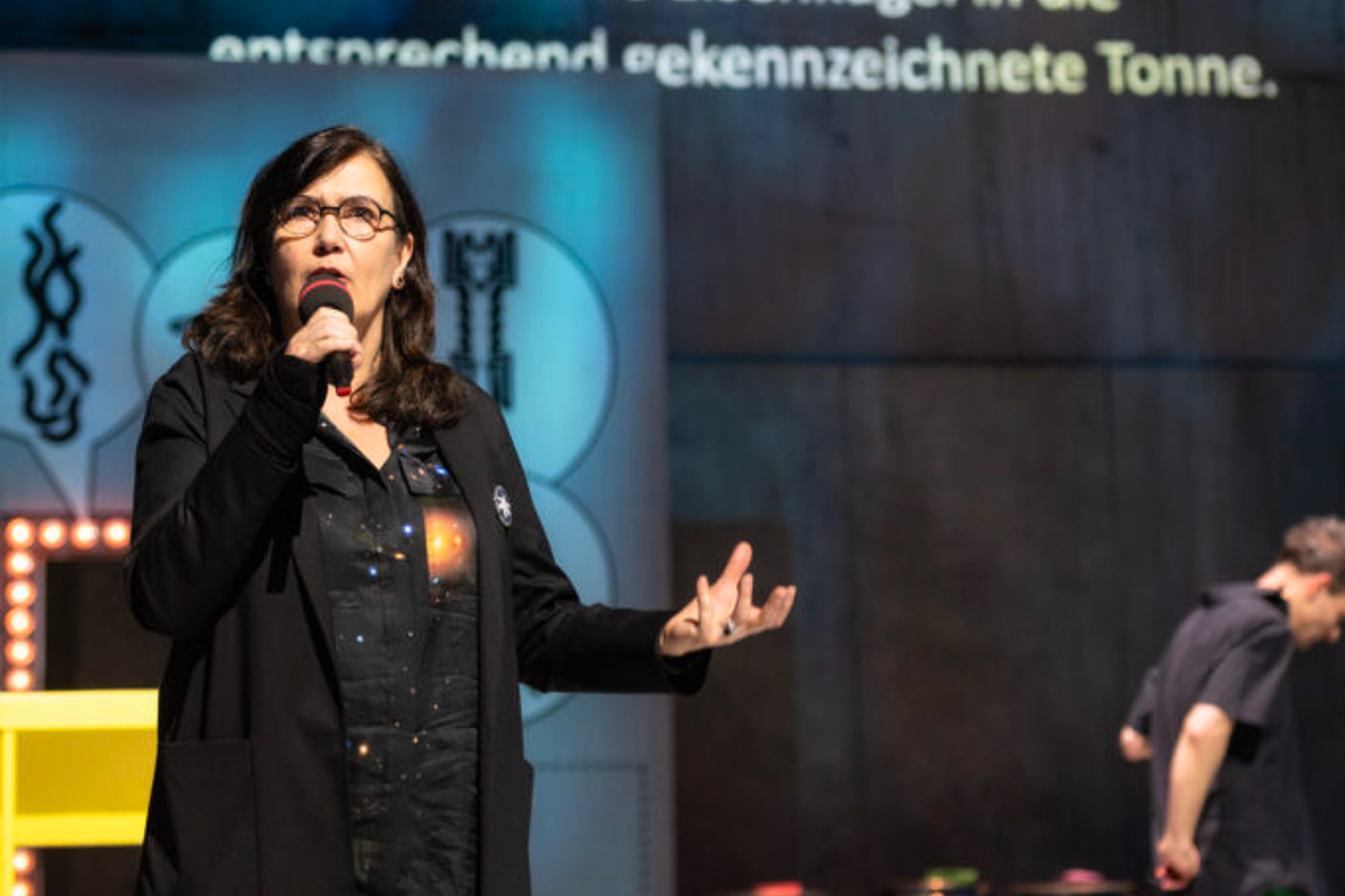
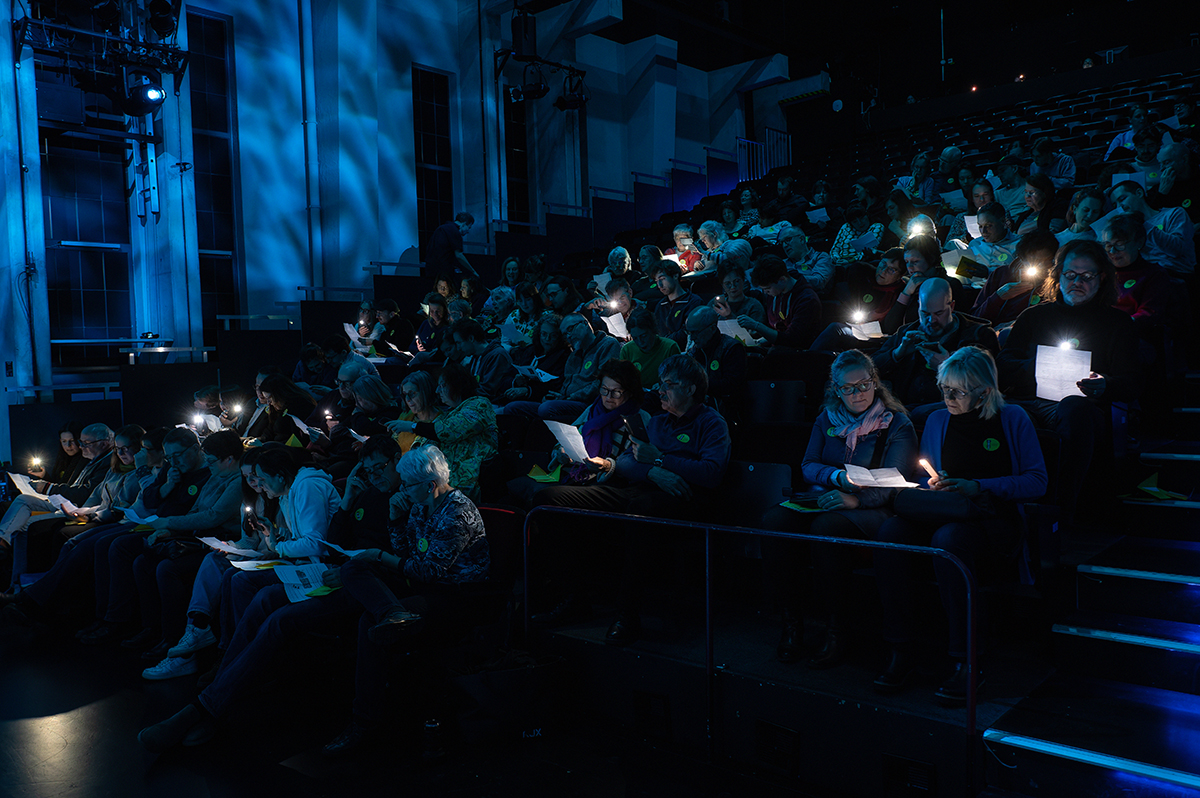
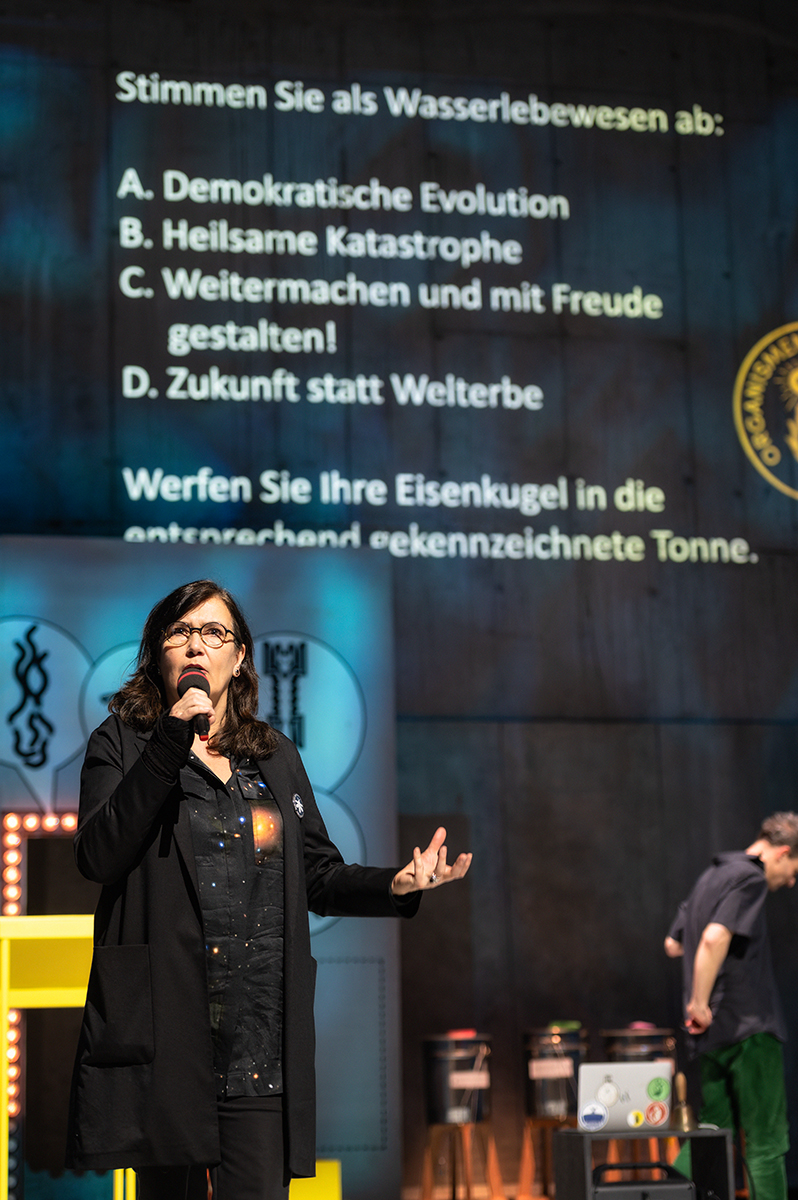
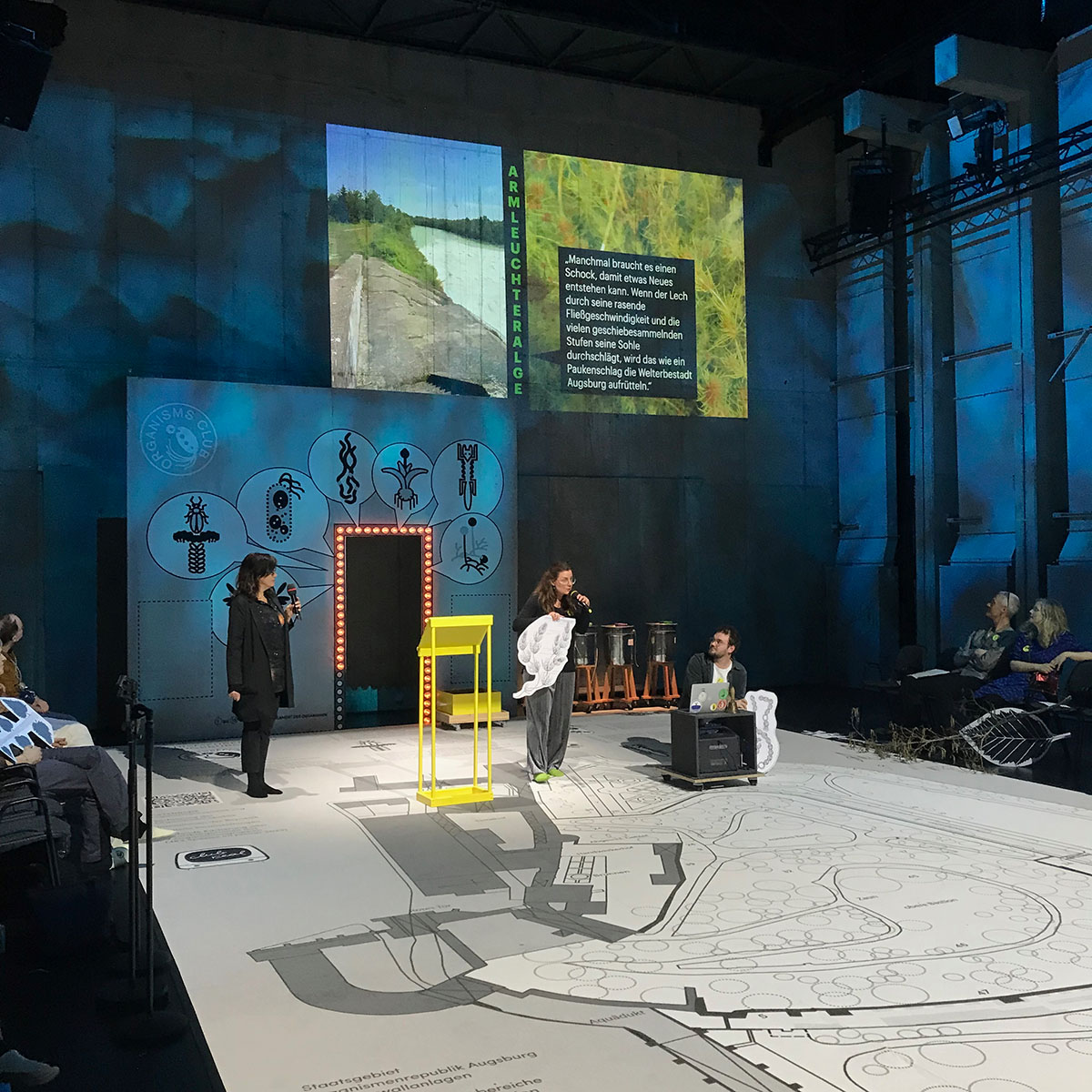
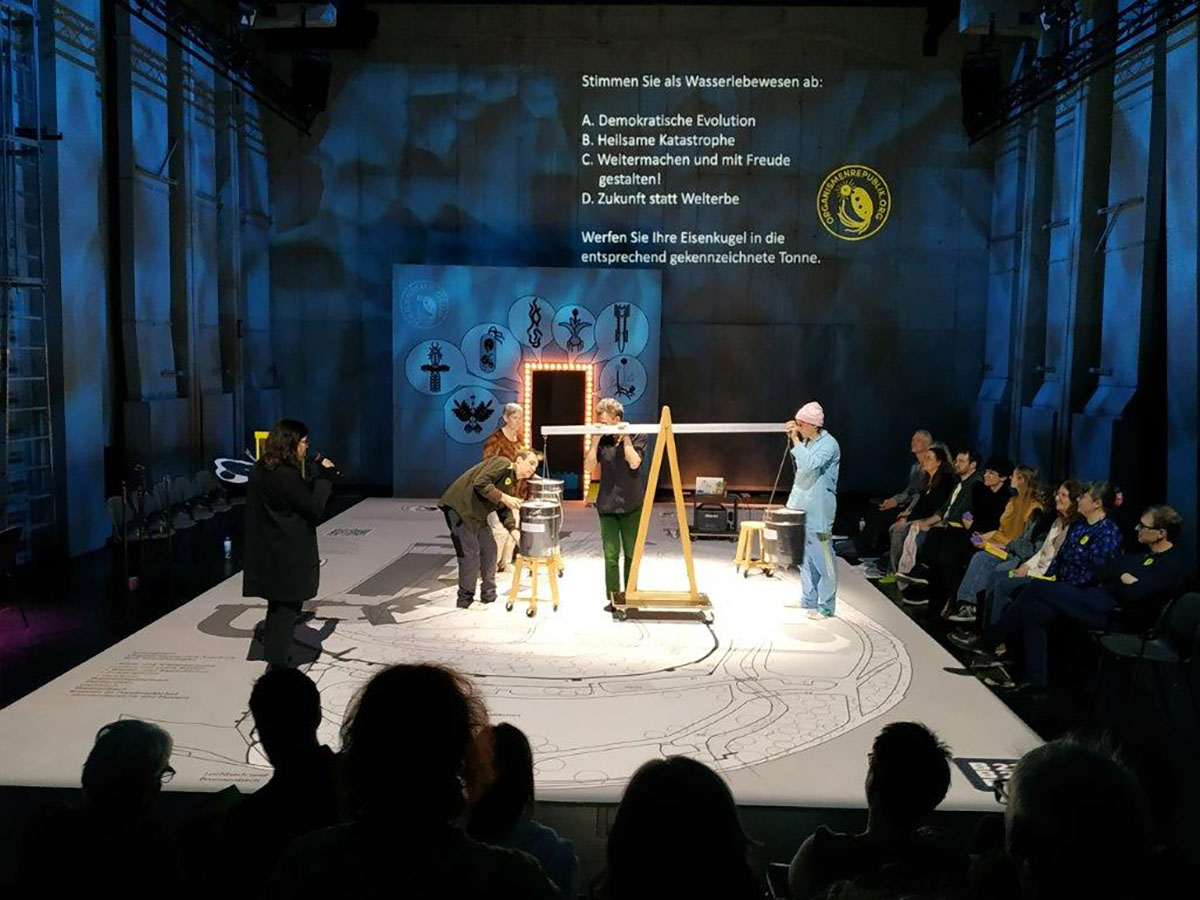
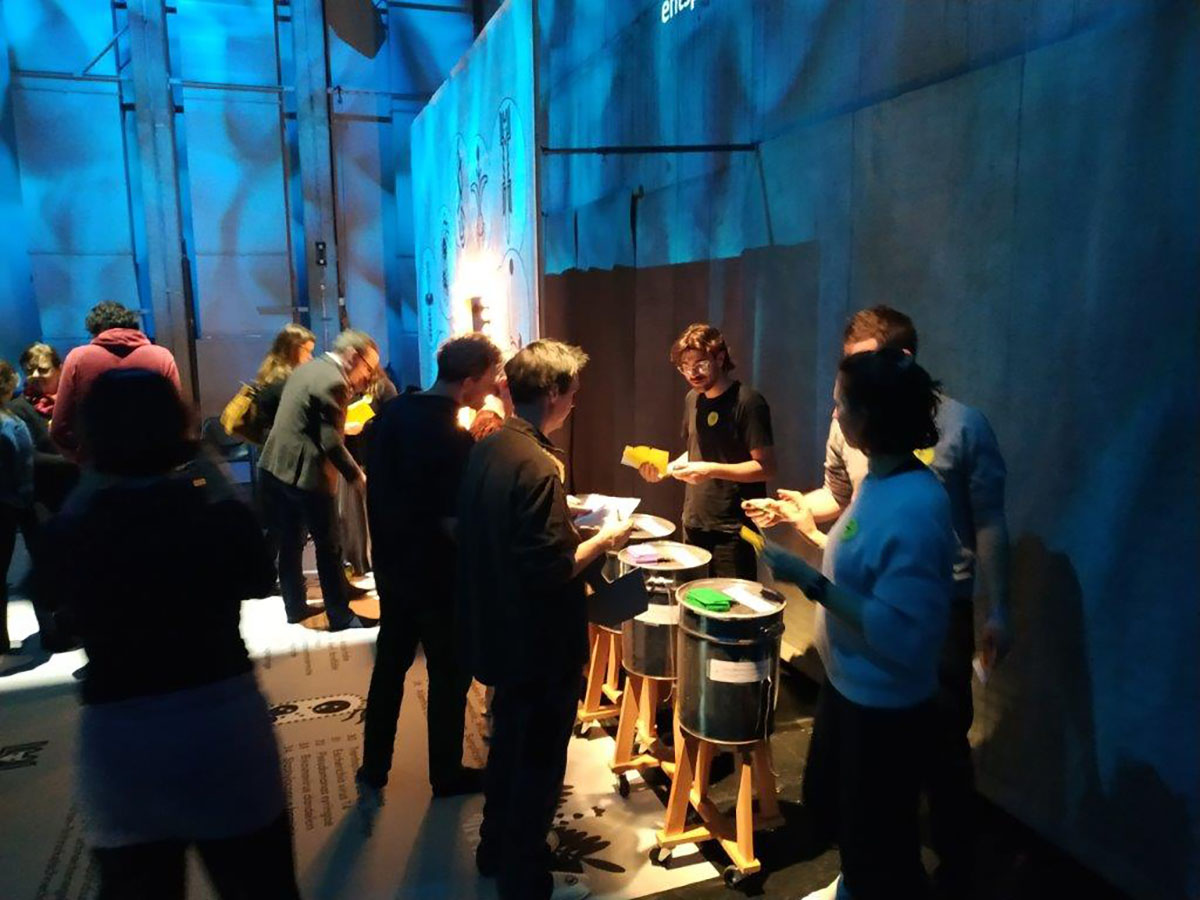
In March 2025, I had the great pleasure of accompanying and moderating a very special event: the 1st Referendum of Living Beings. In this theater event, approximately 150 theatergoers at the Brecht Festival, representing aquatic life, debated and decided on difficult questions concerning the sustainable protection of the “World Heritage Water City of Augsburg” in interaction with the initiators of the referendum (artist collective Club Real/species ambassadors of Organism Democracy). Decisions were made on the urgency of four proposals prepared by species ambassadors on the future of the World Heritage Site and the city of Augsburg.
It was a creative challenge to interactively involve 150 theatergoers in this experiment. This made the successful, moving change of perspective and the passionate, tongue-in-cheek debate all the more enjoyable. In the end, everyone had the opportunity to decide, on behalf of “their” aquatic creature, whether and how to continue on the path to a just multispecies society in Augsburg. It was an action-learning experience that will surely move and remain in the memories of all those involved for a long time to come. Never before have I experienced such an engaged and at the same time humorous, light-hearted, and profound debate about conflicts of interest and discrimination in a group of strangers.
Starting in March 2025, the species ambassadors in Augsburg will be dedicated to implementing the decisions of the referendum of living beings in cooperation with the city council in Augsburg.
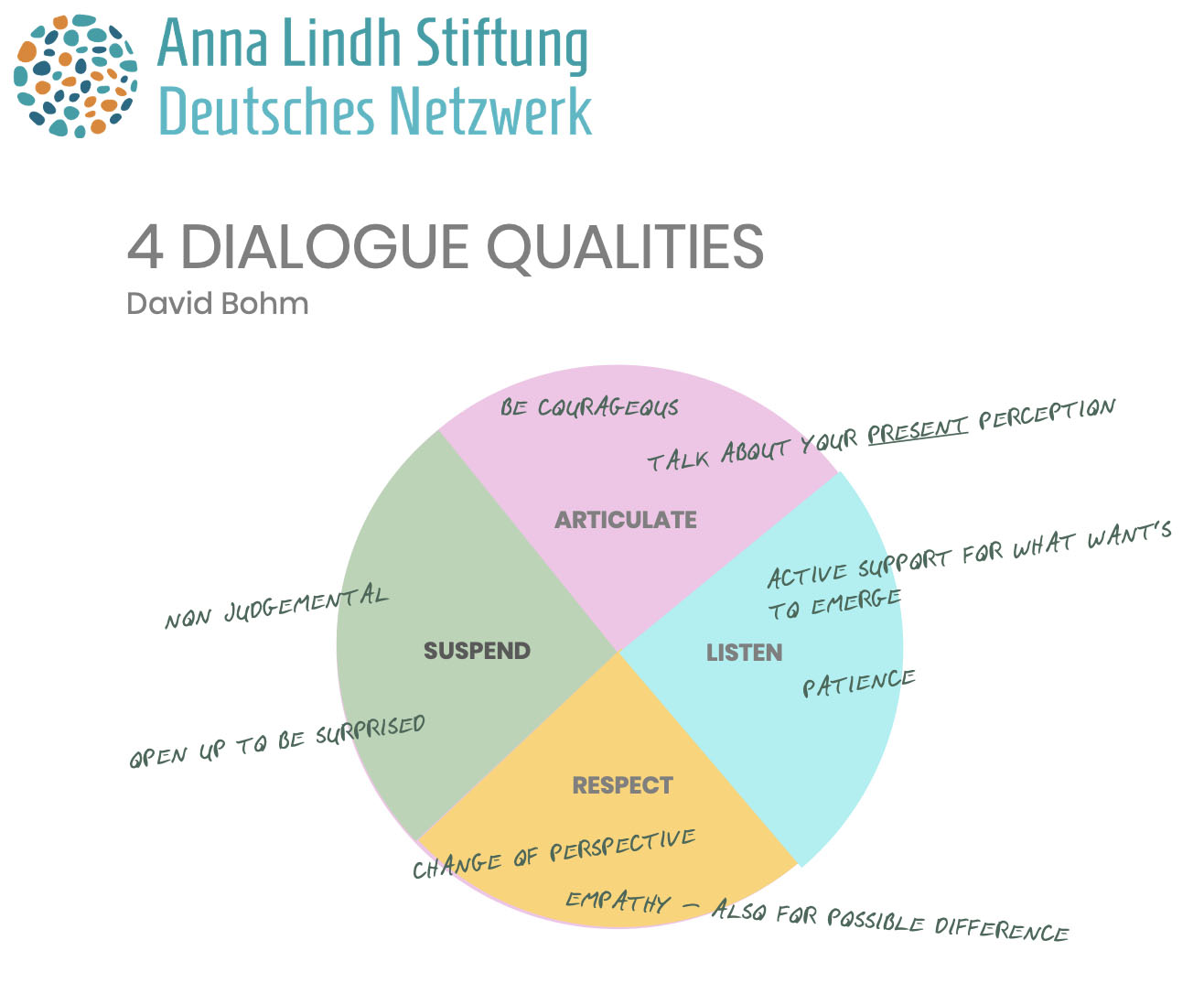
“Shaping dialogue processes – promoting participation”
Lecture
Digital capacity-building workshops for international members of the German network of the Anna Lindh Foundation
At the turn of the year, I had the wonderful task of designing digital capacity-building workshops for international members of the German network of the Anna Lindh Foundation. The aim was to provide inspiration for the design of analog and digital dialogue processes in various civil society contexts.
Both the basic framework conditions for successful dialogue, such as Bohm’s basic principles, and various methodological approaches to participatory dialogue process design were presented and made tangible through practical experience. Using case studies from the participants’ own practice, the application and adaptation possibilities of various formats were explored in depth and designed using examples.
I would like to thank the participants from Hungary, Albania, Cyprus, Greece, Austria, and Germany for their stimulating collaboration and exciting perspectives on their work.
Strong networks through vibrant organizations
Lecture
Designing sustainable participatory development processes
At the end of the two intensive days of the network meeting I had the opportunity to give a keynote speech to introduce the network partners to further working methods with which they can successfully flourish their network work, among other things through the so-called “PERMA” principles.
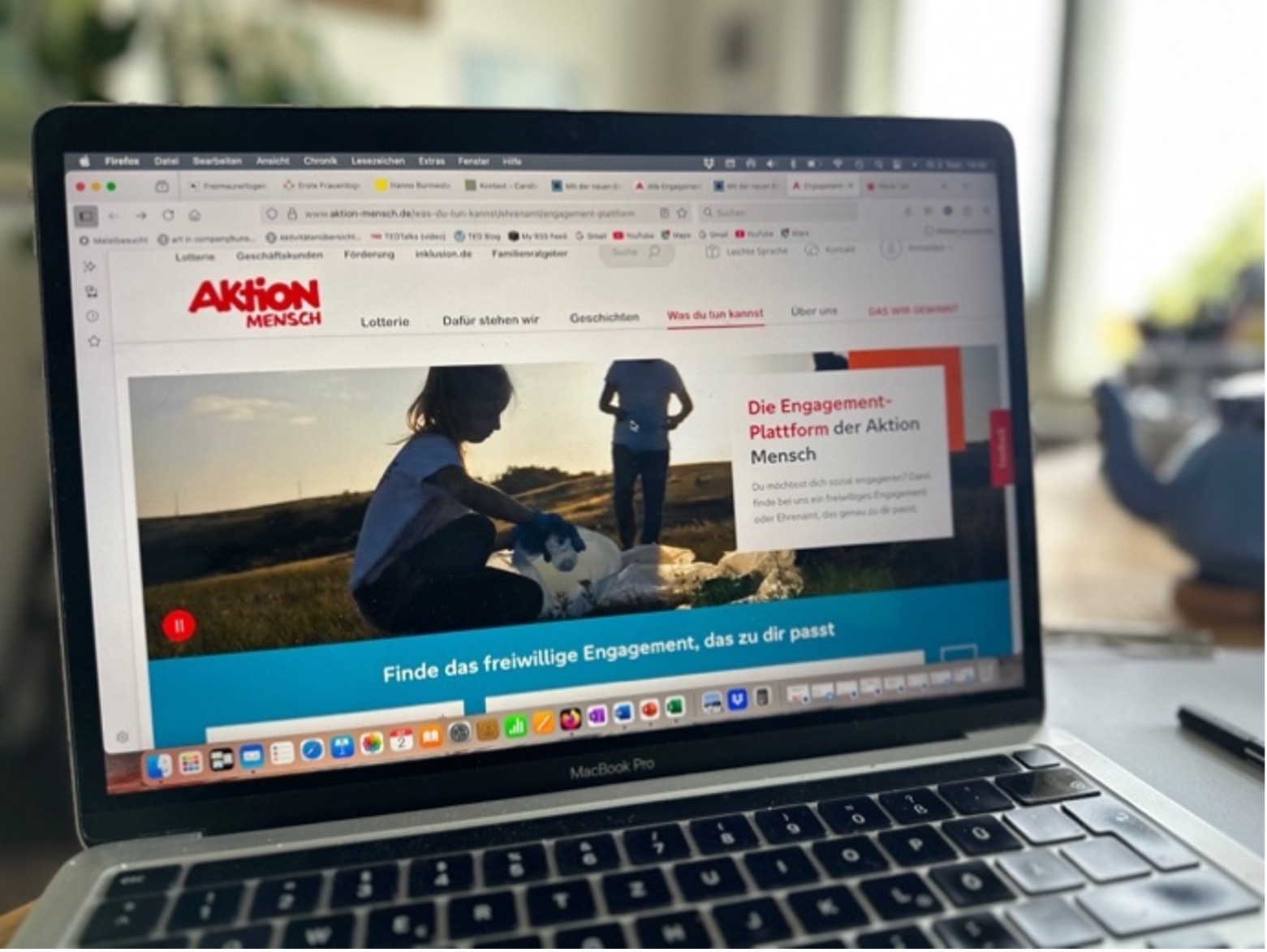
The organizers can look back with pride on the new engagement platform and its participatory, agile, and iterative development history. With around 15,000 entries, the engagement platform is the largest platform for engagement and volunteering in Germany. Around 90 volunteer agencies are network partners on the platform, showcasing their diverse engagement opportunities.

Talk at the 6th Summit of the German Society for Positive Psychology in Berlin
Lecture
Strengthening Resilience and Self-Organization with Positive Leadership and PERMAkultur
What added value do the PERMA principles of Positive Psychology bring to the development of resilient and sustainable systems?
And what does this have to do with permaculture, a concept we more commonly associate with garden and landscape design? What characterizes the permaculture mindset, and how can we benefit from it in our everyday leadership and management practice? How can principles of Social Permaculture be used in management to foster cooperation, self-organization, and team spirit? And why is permaculture fun?
The Positive Leadership approach offers evidence-based ways to use the appreciative principles of PERMA Lead to increase satisfaction, motivation, and ultimately the productivity of teams. The principles of Social Permaculture are closely related to this approach—so closely that it is worth following this trail of inspiration further in our work with people and organizations in Positive Psychology.
Through a mix of interactive methodological input and dialogue-based reflection, we will explore these questions together. Carolin Gebel will give us a glimpse into her work with Positive Leadership and permaculture.


Digital presentation at the German-Russian evening of the Consulate General St. Petersburg
Digital presentation at the German-Russian evening of the Consulate General St. Petersburg
Sustainable development impulses for leadership and organization
At the invitation of the Consulate General St. Petersburg, I had the honor to speak about my work in the field of human resources and organizational development with a focus on permaculture design at a German-Russian evening. The topic of my presentation was how working principles of permaculture can be used to strengthen resilience in teams and organizations. In a diverse group of 35 people, we had a lively dialogue.
Holistic observation, flexible planning and responsible action are among the basic principles of permaculture. This may sound familiar at first, but a closer look at permaculture’s systemic ways of working reveals important distinguishing features that have the potential to make a big difference. They offer valuable impulses for our everyday leadership and management – especially in these crisis-ridden times.
I was very pleased that the working methods presented met with such a positive response from this very heterogeneous group of participants. Many thanks again to Consul General Dr. Eltje Aderhold for the invitation to the lecture.

Impulse for the Creative Bureaucracy Festival
Lecture
Innovation in administration

Together with Hanno Burmester (Democracy Lab/Progressive Center) and Katja Jäger (better place lab) I had the pleasure to report in a short impulse and dialogue about the pilot project “Democracy as an everyday working experience“. Topic of the session: “Innovations from within – How do public administration employees become innovation promoters?
The focus was on practical experience in strengthening the innovative capacity of administrative staff. In this context, the conceptual approach of the Learning Journey was presented to promote this by strengthening personal implementation and change competence for the design of participatory development processes in politics, civil society and public administration.

Impulse lecture at the GLS Bank Money Summit
Lecture
From footprint to handprint
At the invitation of Lukas Beckmann, I had the great pleasure of participating in the 2016 money summit of the GLS Bank Foundation in Witten/Herdecke with an introductory lecture. The focus was on “Homo civilis et oeconomicus” – the handprint of those people and groups for whom real economic value creation has the purpose of satisfying people’s economic, social and cultural needs.
Subject of my presentation was background, motives and experiences in context of the foundation and development of Europe’s largest women’s cooperative and the establishment of the first women’s start-up centre in Berlin. You can find out more here.