

Strong networks through vibrant organizations
magnus
Designing sustainable participatory development processes
At the end of the two intensive days of the network meeting I had the opportunity to give a keynote speech to introduce the network partners to further working methods with which they can successfully flourish their network work, among other things through the so-called “PERMA” principles.
The organizers can look back with pride on the new engagement platform and its participatory, agile, and iterative development history. With around 15,000 entries, the engagement platform is the largest platform for engagement and volunteering in Germany. Around 90 volunteer agencies are network partners on the platform, showcasing their diverse engagement opportunities.

Dragon Dreaming
magnus
Methods for self-organized collaborative teams at eye level
Interest in ways to foster self-organized participatory organizations and teams has led to increased response and demand for “Dragon Dreaming” in recent years. No wonder, as this methodological approach has a lot to offer where people want to make a difference in the world together with as few hierarchies as possible and as much community as possible.
I also value the work with “Dragon Dreaming” as a method and mindset in my consulting work of promoting Living Organization.
Now there is the long overdue practical book. The “Dragon Dreaming Playbook” by Ilona Koglin and Julia Kommerell shows in great graphics and concise compilation how the playful yet efficient methods work. With numerous step-by-step instructions, best practices and helpful tools and trenchant summaries, the book explains how teams can playfully and successfully implement projects in four phases.
I would like to thank Ilona Koglin very much for her request, as one of thirty practitioners from all over the world, to contribute a small methodological impulse from my practice to this great book, and – of all things – to write a journalling for the chapter “Celebrating”. The request could not have been more appropriate. Those who know me know that in Dragon Dreaming I particularly value the approach of understanding the fourth phase of reflection as “celebration” and using appropriate interventions and rituals to promote feedback culture, learning and identification in teams. Reflection must and may be fun if it is to find a place in the tightly scheduled daily work routine, in good times as well as in difficult ones.
I am happy to offer my methodological expertise. In the book you can also learn more about how organizations can foster collective intelligence, co-creative leadership skills, emancipation and equality, creativity, intuition and the playful joy of shared responsibility with Dragon Dreaming, and shape new, resilient and collaborative ways of working – whether as an agile company or start-up, educational institution, civic initiative, social movement, association, cooperative or cultural institution.
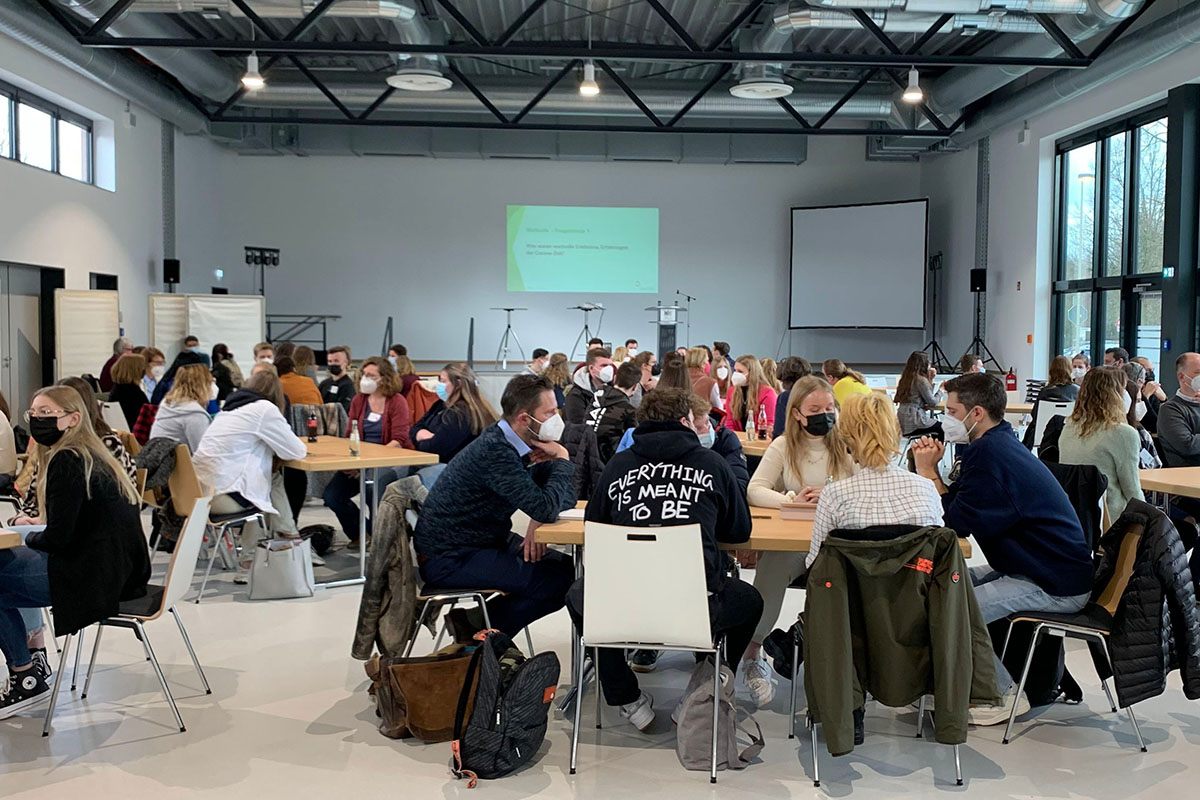
Future Workshop: School Life after Corona
magnus
Networking and impulse event for the co-creative design of an inclusive learning and working environment in schools
Corona has changed a lot and brought with it very special burdens, especially for school life.
The district of Heinsberg took this as an opportunity to invite pupils, teachers, school administrators, school psychologists and social workers from the district’s schools to a joint dialogue at eye level in Erkelenz on 14 March. In addition to all the impositions that this difficult time has demanded of many, the aim of this event was above all to recognise needs and potentials for shaping schools in the future: Were there also valuable experiences, experiences from the Corona time? What did we learn about ourselves and others? And what possibilities and opportunities can we make fruitful for future school development – with and without Corona – and how? I had the pleasure of co-designing this all-day interactive dialogue event with the group “Back to life” (an initiative of committed school psychologists and school social workers from the Heinsberg district). In the run-up to the planning, we had hoped to be able to hold the event in happier times. However, having already been postponed once, the sad events of the Ukraine war and the continuing high Corona numbers make it clear how urgent and important it is to draw our lessons from times of crisis in order to shape a more liveable, crisis-proof future.
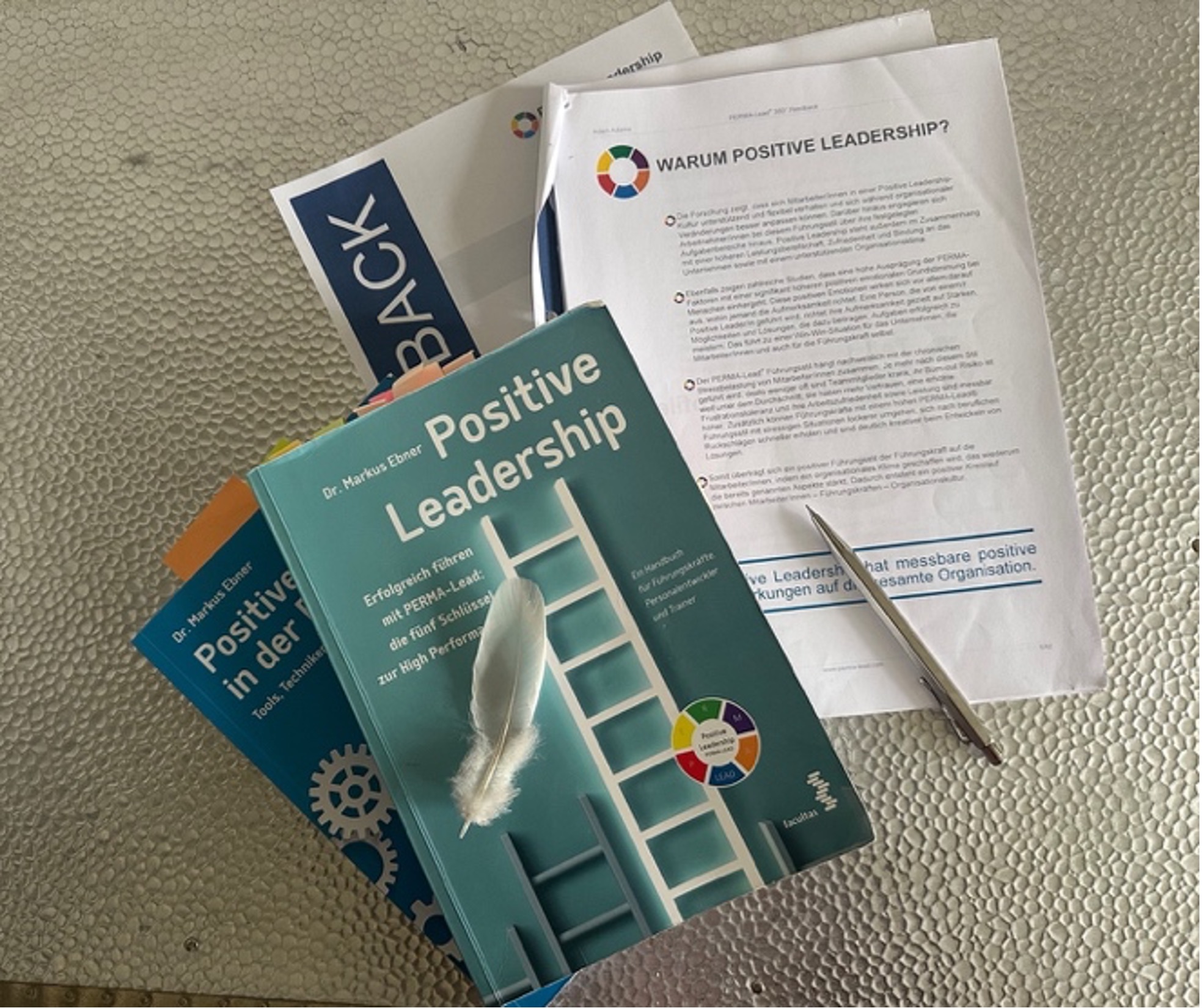
Positive Leadership for Vibrant Organisations
magnus
Designing processes with PERMA-Lead 360°Feedback
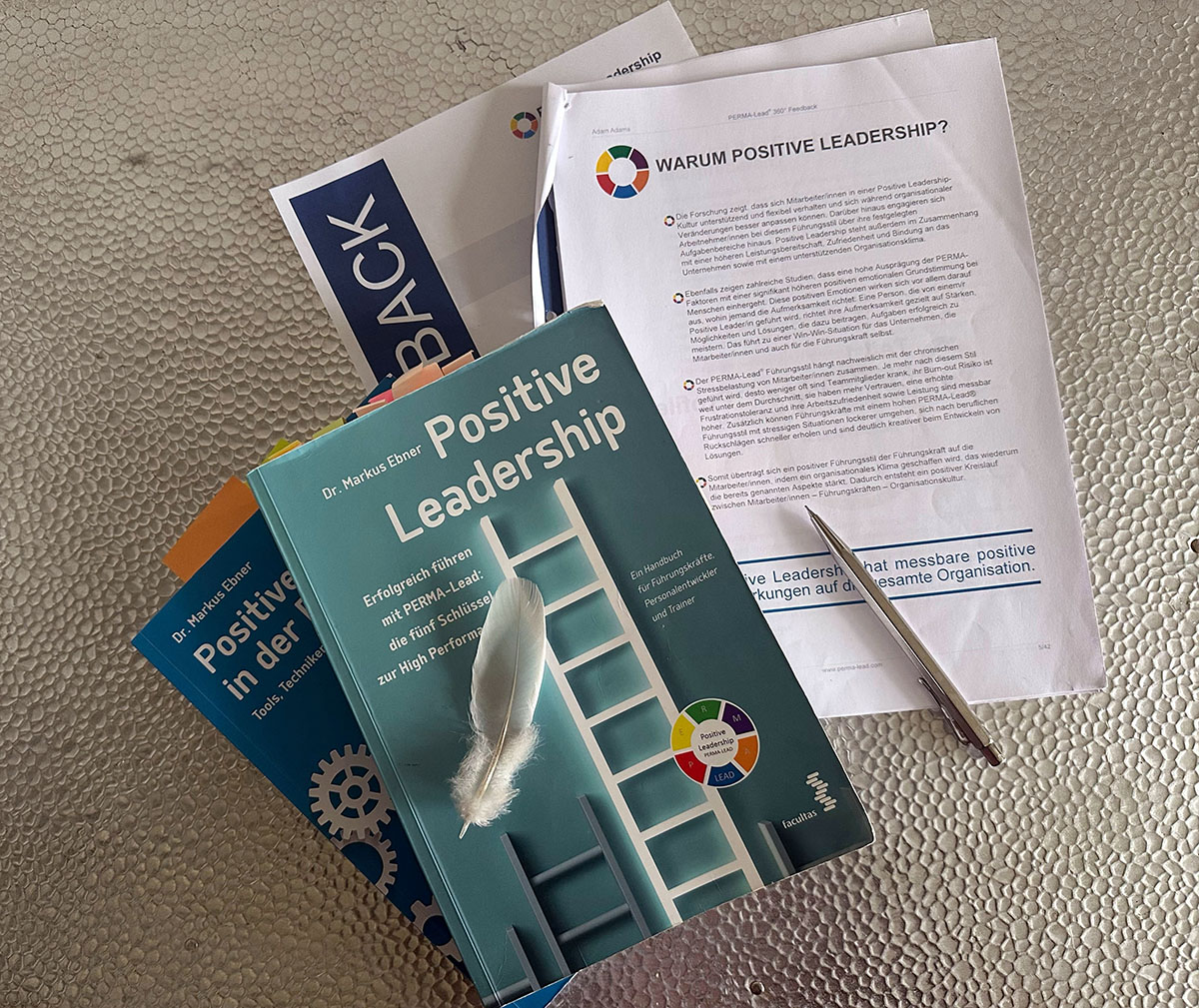
Effective feedback processes are like oxygen for the vitality of organizations. Agile organizations, in particular, need collaborative leadership and sustainable team structures. Yet many teams and leaders shy away from feedback, especially when they think they have to convey or receive “difficult messages.” Deficit-oriented evaluation criteria often contribute to feedback discussions and 360° feedback processes being misdirected, avoided, or even feared in the day-to-day operations of many institutions and companies. The Positive Leadership approach provides evidence-based strategies for using the appreciative principles of PERMA Lead to increase team satisfaction, motivation, and, consequently, productivity. In doing so, we examine the foundations of long-held beliefs about good leadership:
- Why is leadership based on “facts, force, and fear” a thing of the past, even though it’s still a sad reality in many organizations?
- Isn’t it the role of leadership to sometimes clearly address problems and point out what isn’t going well?
- Doesn’t positive leadership run the risk of fostering an atmosphere of “harmony at all costs,” where nothing critical can be addressed and every failure is glossed over as a success?
- And how can 360° feedback, in particular, help make it harder for narcissists to rise through the ranks in organizations?
I’d be happy to discuss the potential applications of this approach in a one-on-one conversation.


School without racism - school with courage
magnus
Workshop "Democracy is more than a method"
Discussion Paper Progressive Center
Especially in times of crisis, it becomes clear how much pressure there is on people in politics and administration to take responsibility for difficult decisions. In such situations, organizations often tend to consult experts. But complex tasks cannot be solved by the expertise of individuals alone. Participatory dialog formats offer a variety of ways to design agile processes that integrate not only expertise but also the experiences and perspectives of those affected. This not only enhances the quality of decisions, but also promotes identification and sustainability in the implementation of decisions. In the discussion paper “Democracy is more than a method – competence development for more democracy in everyday work” for the Progressive Center, I took a closer look at what competence development is needed to be able to shape these processes.
Let me know if you are interested in the English version of the article.

Team development with double sustainable benefits
magnus
Strengthen the resilience of your team and our ecosystem in equal measure
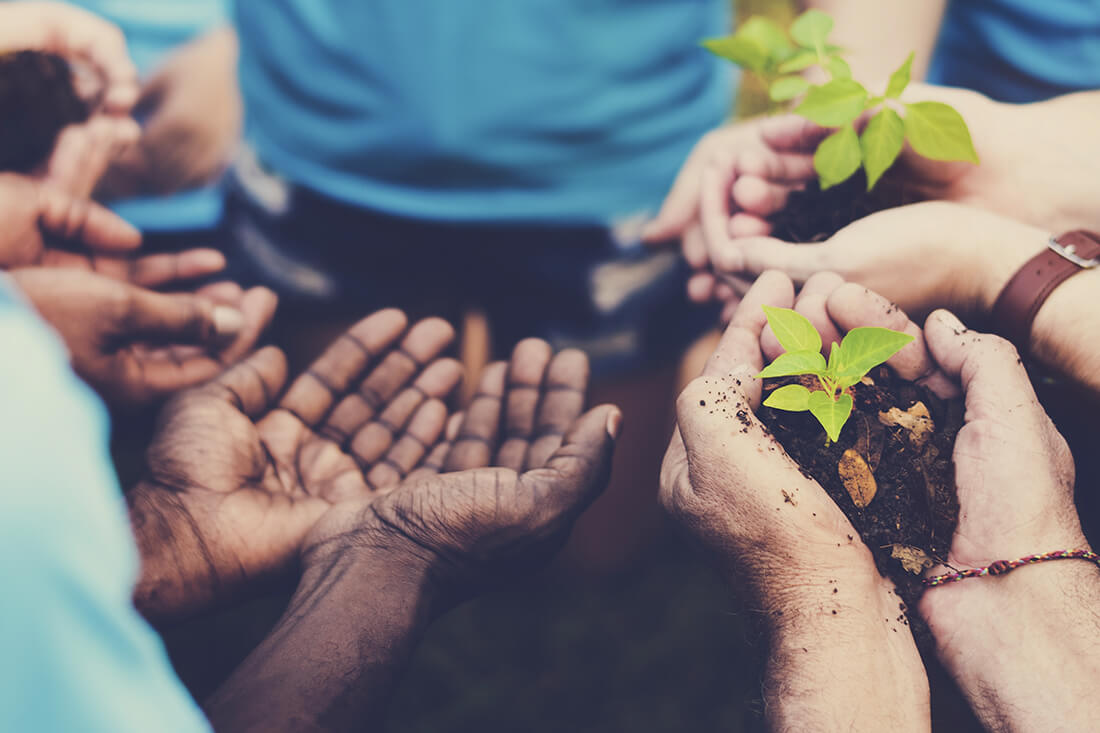
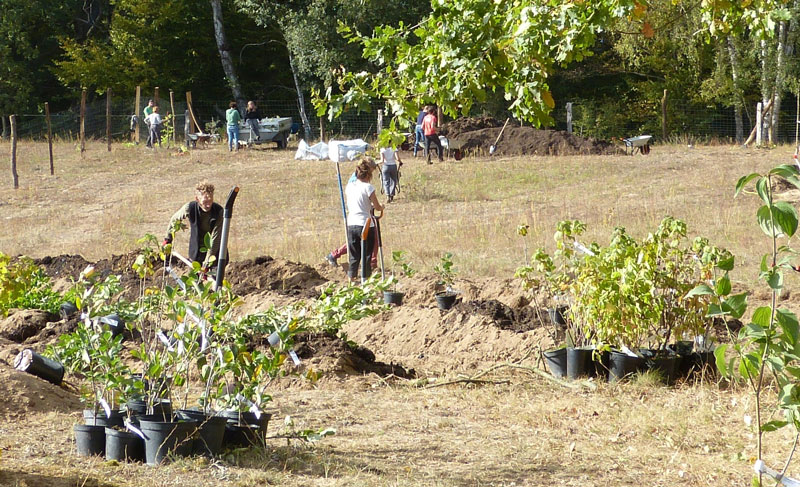
In cooperation with zukunftsfähig e.V., I offer you a team action that has an even more lasting effect than mere reflection and talking about ourselves and is therefore doubly meaningful: We plant trees as a team action and let ourselves get inspired by the holistic design principles of permaculture for the development process as a team. Team spirit is created when everyone is united behind a common task. By planting trees together, we create something that will stay and flourish, as a significant contribution to our ecosystem and as a unifying, insightful experience for the common everyday work: corridor enrichment in the literal sense of the word. Action and accompanying dialogue remain in a healthy relationship, because the green thumb replaces the moral index finger. Holistic thinking, planning and acting strengthens the resilience of your team and organization. Strengthen your community and ecosystem!

Competence development for more democracy in everyday work
Competence development for more democracy in everyday work
Discussion Paper Progressive Center
Especially in times of crisis, it becomes clear how much pressure there is on people in politics and administration to take responsibility for difficult decisions. In such situations, organizations often tend to consult experts. But complex tasks cannot be solved by the expertise of individuals alone. Participatory dialog formats offer a variety of ways to design agile processes that integrate not only expertise but also the experiences and perspectives of those affected. This not only enhances the quality of decisions, but also promotes identification and sustainability in the implementation of decisions. In this discussion paper for the Progressive Center, I took a closer look at what skills development is needed to be able to shape these processes.
Please contact me if you are interested in the English version of my of my Discussion Paper.
Click here for the German version of my Discussion Paper.
Strengthening resilience and self-organization with permaculture principles
Strengthening resilience and self-organization with permaculture principles
Workshop
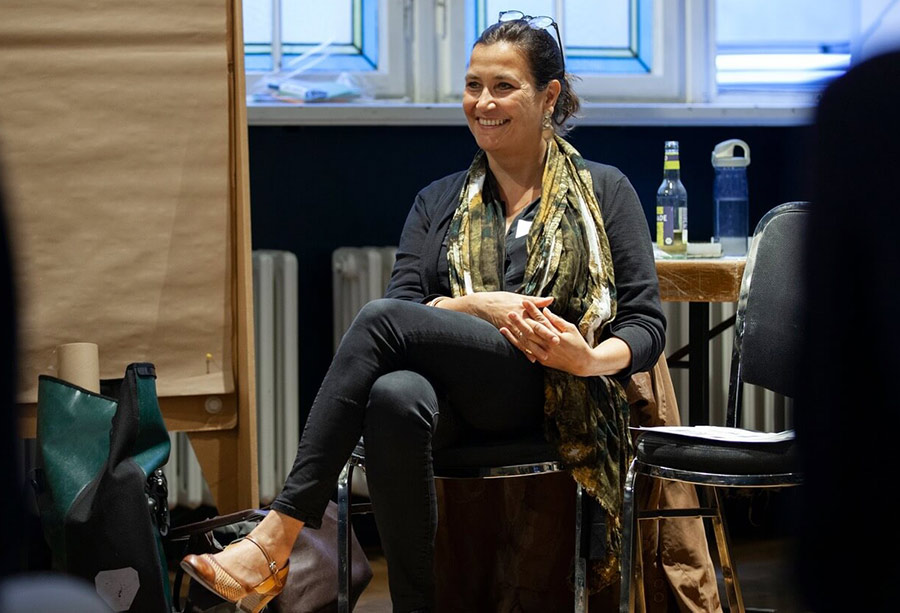
At the invitation of the Consulate General St. Petersburg, I had the honor to speak about my work in the field of human resources and organizational development with a focus on permaculture design as part of a German-Russian evening. The topic of my pandemic digital presentation was how permaculture working principles can be used to strengthen resilience in teams and organizations.
Holistic observation, flexible planning and responsible action are among the fundamental permaculture principles. While this may sound familiar at first, a closer look at systemic permaculture ways of working reveals important distinctive features that have the potential to make a big difference. They offer valuable impulses for our everyday leadership and management – especially in these crisis-ridden times.
I was very pleased that the working methods presented met with such a positive response from this diverse group of 35 participants. Thank you once again to Consul General Dr. Eltje Aderhold for the invitation to the lecture.

Digital presentation at the German-Russian evening of the Consulate General St. Petersburg
Digital presentation at the German-Russian evening of the Consulate General St. Petersburg
Sustainable development impulses for leadership and organization
At the invitation of the Consulate General St. Petersburg, I had the honor to speak about my work in the field of human resources and organizational development with a focus on permaculture design at a German-Russian evening. The topic of my presentation was how working principles of permaculture can be used to strengthen resilience in teams and organizations. In a diverse group of 35 people, we had a lively dialogue.
Holistic observation, flexible planning and responsible action are among the basic principles of permaculture. This may sound familiar at first, but a closer look at permaculture’s systemic ways of working reveals important distinguishing features that have the potential to make a big difference. They offer valuable impulses for our everyday leadership and management – especially in these crisis-ridden times.
I was very pleased that the working methods presented met with such a positive response from this very heterogeneous group of participants. Many thanks again to Consul General Dr. Eltje Aderhold for the invitation to the lecture.
More rhythm in everyday life instead of deadline stress
magnus
Rituale? Rituale!
Rituals? For some, this sounds like a boring ceremonial speech or a tiresome obligatory event: a birthday drink, a Christmas event or an anniversary celebration. But what distinguishes a meaningful ritual from a meaningless, ritualistic routine? How can it contribute to the dramaturgical design of your daily work routine? What potential does a dramaturgical design of your daily work routine offer? Rhythmization and rituals help to bring your processes into flow and to promote potentials in your organization. Counteract the stress of deadlines with rhythm! Personal and organizational routines can be large or small, formal, ceremonial or informal. As a coach and keynote speaker, I see many opportunities to promote the development of potential in your organization with coherent rituals and a rhythmization of your process flows. Rhythm replaces power. Use these possibilities to make implicit knowledge more fruitful in your organization.